White Fence Installation A Comprehensive Guide
White fence installation is a popular choice for homeowners looking to enhance their property’s aesthetic appeal and privacy. This comprehensive guide explores every facet of the process, from initial design considerations to final maintenance. We’ll delve into various materials, installation techniques, and crucial factors like permits and budgeting.
From classic picket fences to modern privacy barriers, understanding the diverse options available is key. We’ll also highlight the pros and cons of different materials like wood, vinyl, and aluminum, providing valuable insights for making informed decisions. This detailed guide aims to empower you with the knowledge needed to navigate the entire white fence installation journey, ensuring a successful and satisfying outcome.
Introduction to White Fence Installation
White fence installation is the process of constructing a fence using white-painted or pre-finished white materials. This involves the preparation of the site, the selection and procurement of materials, the erection of the fence posts, rails, and other components, and the final finishing touches, including painting or staining. A well-executed installation ensures a durable and aesthetically pleasing addition to any property.
White fences offer a versatile aesthetic, complementing various architectural styles. They can be designed for different purposes, from providing privacy to defining property boundaries, or simply enhancing curb appeal. The choice of material, design, and installation method is crucial to achieving the desired outcome.
Types of White Fences
White fences come in a variety of styles, each offering unique visual characteristics and practical benefits. Common types include picket fences, board-on-board fences, and privacy fences. Picket fences feature tall, slender posts and slats, offering a classic and often charming look. Board-on-board fences consist of horizontal boards fitted closely together, creating a clean, modern aesthetic. Privacy fences are taller and more substantial, providing significant visual and sound seclusion.
Materials Used in White Fence Installation
The choice of material significantly impacts the durability, aesthetics, and cost of a white fence. Common materials include wood, vinyl, and aluminum. Each material presents its own set of advantages and disadvantages.
Material Comparison Table
| Material | Pros | Cons | Cost Estimate (approx.) |
|---|---|---|---|
| Wood | Natural beauty, customizable design options, relatively affordable for basic installations. Can be stained or painted for a range of finishes. | Requires regular maintenance (painting, sealing) to prevent rot, insect damage, and weathering. Can be susceptible to moisture damage. Installation can be more complex due to the need for additional supports and reinforcement. | $5-15 per linear foot (depending on type of wood, design, and labor costs) |
| Vinyl | Low maintenance, resistant to rot, insects, and weathering. Comes in a wide range of colors, including white. Generally requires less upkeep than wood. | Can be prone to damage from impact, such as strong winds or vandalism. May not have the same visual appeal as natural wood. Installation can be more complex due to the need for specialized tools and techniques. | $8-20 per linear foot (depending on the type of vinyl and installation complexity) |
| Aluminum | Durable, weather-resistant, and virtually maintenance-free. Lightweight, making installation easier than wood in some situations. Resistant to rust. Available in a variety of styles and finishes. | Can be more expensive upfront compared to wood or vinyl. May not have the same natural look as wood or the versatility of vinyl. May not be as aesthetically pleasing for some architectural styles. | $12-25 per linear foot (depending on the type of aluminum, design, and labor costs) |
Planning and Design Considerations
Careful planning is crucial for a successful white fence installation. This phase involves more than just selecting a color; it encompasses critical factors like property regulations, aesthetic integration, and accurate measurements. A well-considered plan ensures the fence meets all requirements and enhances the property’s overall appeal.
Thorough planning, including consideration of local regulations and property lines, is essential to avoid costly revisions or legal issues down the line. Accurate measurements and a thoughtful design process minimize potential problems and ensure the fence functions as intended.
Essential Planning Factors
Proper planning begins with understanding the local regulations governing fence construction. These regulations often dictate height restrictions, setback requirements, and materials permitted. Researching and adhering to these guidelines is critical to prevent future complications. Property lines are another vital consideration. Precisely marking these boundaries with professional surveyors ensures the fence is built within legal limits, avoiding disputes with neighbors. Aesthetics are equally important. The fence should complement the existing architectural style of the property and enhance its curb appeal. Consider the overall landscape design and choose a fence style and color that harmonizes with the surroundings.
Accurate Measurements for White Fence Installation
Accurate measurements are paramount for a successful white fence installation. Incorrect measurements lead to costly adjustments, time delays, and potential structural issues. Using a measuring tape and taking multiple readings for each section of the fence is essential. This approach minimizes errors and guarantees a precise fit. Detailed blueprints or sketches of the fence layout, incorporating dimensions and angles, further aid in the installation process. Taking meticulous measurements and producing accurate blueprints helps prevent on-site complications.
Designing a White Fence Layout
A well-designed layout ensures the fence meets all requirements and enhances the property’s appeal. The design should consider the property’s dimensions, the desired fence height, and the chosen fence style. Sketching the fence’s position on paper, incorporating the property’s boundaries, is a crucial step. Using landscape software or professional design tools can further refine the layout and visualize the final product. Consider the placement of gates and entry points, ensuring they align with the overall design and allow for convenient access.
Different Fence Styles and Suitability
| Fence Style | Property Type | Suitability |
|---|---|---|
| Picket | Residential homes, particularly those with a more traditional or cottage-style aesthetic. | Provides visual appeal, good for privacy in smaller areas, but less privacy than other styles. |
| Board-on-board | Homes with a contemporary or modern design. | Creates a clean, classic look, offers some privacy, and is often durable. |
| Privacy | Properties seeking maximum privacy or wanting to create a secluded outdoor space. | Excellent for sound and visual privacy, but may obstruct views. |
Installation Process
The installation process for a white fence is a crucial stage, demanding precision and attention to detail. Proper installation ensures the longevity and aesthetic appeal of the fence. Careful adherence to the plan and safety protocols is essential for a successful outcome.
A well-executed installation process not only safeguards the fence’s structural integrity but also reflects the installer’s expertise. This meticulous approach minimizes potential issues and ensures a finished product that meets expectations.
Step-by-Step Procedure
The installation procedure for a white fence, regardless of the style, generally follows a sequence of steps. First, prepare the ground and ensure proper leveling. Then, install the posts, securing them firmly in the ground. Subsequent steps involve attaching the rails or pickets, ensuring proper alignment and spacing. Finally, inspect the completed fence for any imperfections and make necessary adjustments.
Installation Techniques, White fence installation
Different fence styles require distinct installation techniques. The post-and-rail method involves installing vertical posts and horizontal rails, while a picket fence uses vertical posts and numerous small, evenly spaced pickets.
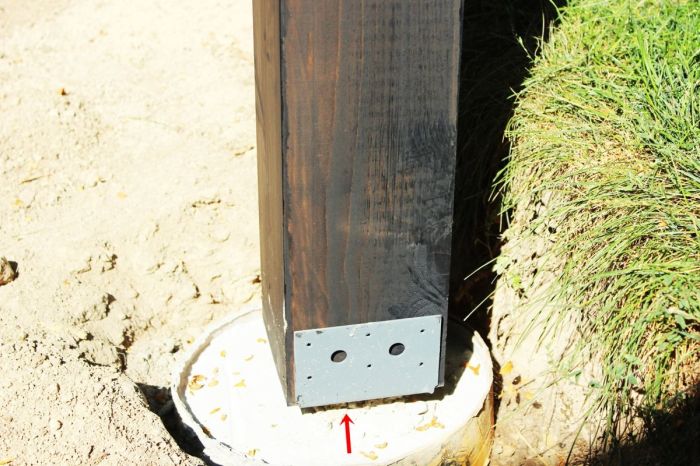
- Post-and-Rail Fence: This style often employs pressure-treated lumber for posts and rails. Posts are dug into the ground, set at the correct depth, and secured with concrete footings. Rails are then attached to the posts, using appropriate fasteners like screws or galvanized nails. Careful measurement and alignment are critical to ensure a straight and even fence line.
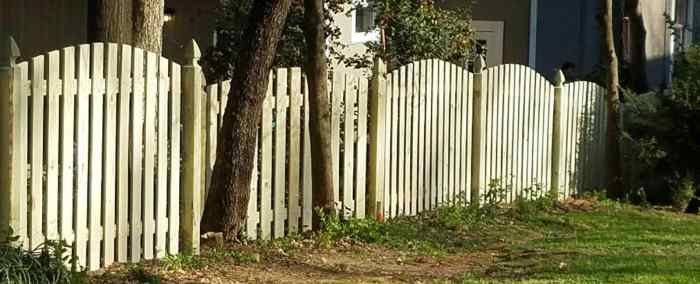
- Picket Fence: This style emphasizes the decorative aspect. Pickets are attached to the posts, often with specialized brackets or screws. Ensuring proper spacing and alignment between pickets is crucial for an attractive aesthetic.
Necessary Tools and Equipment
A range of tools and equipment are essential for efficient and safe white fence installation.
- Measuring tools: Tape measures, levels, and marking tools for accurate measurements and alignment are crucial.
- Digging tools: Post hole diggers or shovels for excavating post holes.
- Concrete mixing and pouring equipment: Cement mixer, wheelbarrow, and appropriate tools for preparing and pouring concrete footings.
- Fasteners: Screws, nails, and other fasteners suitable for the materials being used.
- Power tools: Drills, saws, and other power tools for efficient fastening and cutting of materials.
- Safety gear: Gloves, safety glasses, and work boots for worker protection.
Safety Precautions
Safety is paramount during any construction project. Adhering to safety protocols minimizes risks and ensures a safe working environment.
- Protective Gear: Always wear appropriate safety gear, including gloves, safety glasses, and work boots.
- Proper Lifting Techniques: Employ proper lifting techniques to prevent injuries during the installation process.
- Electrical Safety: Exercise caution when working near electrical lines.
- Grounding: Ensure all equipment is properly grounded to prevent electrical hazards.
- Weather Considerations: Adjust work schedules to avoid working in extreme weather conditions.
Maintenance and Repair
Maintaining a white fence ensures its longevity and aesthetic appeal. Proper upkeep involves regular inspections and targeted interventions to address potential issues before they escalate. Neglecting maintenance can lead to costly repairs and a diminished lifespan of the fence.
Regular maintenance is key to preventing costly repairs and preserving the fence’s structural integrity. By addressing small problems early, homeowners can significantly extend the fence’s lifespan. This proactive approach also helps maintain the fence’s aesthetic appeal, which is essential for property value.
Common Maintenance Tasks
Regular cleaning and occasional repainting are crucial for maintaining a white fence’s appearance. Cleaning removes dirt, mildew, and other debris that can accumulate over time, preserving the fence’s pristine white finish. Painting or touch-up painting, if necessary, ensures a uniform and appealing look, while also protecting the fence from environmental damage.
Repairing Damaged Sections
Identifying and addressing damaged or deteriorated sections of a white fence is vital for preserving its structural integrity and aesthetic appeal. Repair methods depend on the nature of the damage. For minor scratches or blemishes, touch-up paint can be sufficient. However, significant damage, such as rot or structural issues, may require professional intervention and potentially complete replacement of affected sections.
Importance of Regular Maintenance
Regular maintenance significantly extends the lifespan of a white fence. Early detection and prompt repair of minor issues prevent more extensive and costly repairs down the line. Regular cleaning and repainting help maintain the fence’s appearance and prevent deterioration from environmental factors. Furthermore, routine inspections for structural issues allow for timely interventions, ensuring the fence’s stability and longevity.
Table of Common Fence Problems and Solutions
| Problem | Solution |
|---|---|
| Rust | Thoroughly clean the affected area with a wire brush or sandpaper. Apply rust-inhibiting paint or a rust converter. If extensive, consider replacing the rusted component. |
| Rot | Remove the rotted wood. Replace the affected section with new, treated lumber. Ensure proper drainage around the fence to prevent future rot. |
| Loose Posts | Tighten the posts using appropriate fasteners. If posts are significantly loose, consider re-anchoring them to the ground or adding additional support. |
Cost and Budgeting
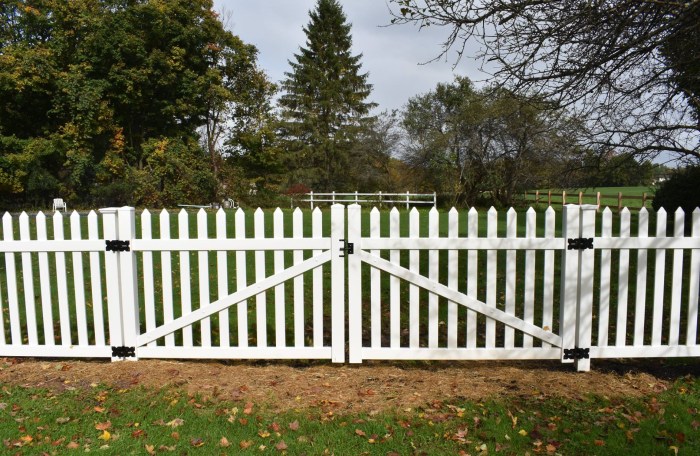
Source: polyenterprises.net
Planning the budget for a white fence installation is crucial for a successful project. Accurately estimating costs ensures you stay within your financial constraints and avoid unpleasant surprises. This section details the general cost breakdown and factors affecting the final price, enabling you to develop a realistic budget.
General Cost Breakdown
Understanding the components of a white fence installation cost is essential. Material costs, labor costs, and potential permit fees or additional services all contribute to the total expense. The materials themselves are a major part of the cost, and labor costs vary significantly based on the complexity of the project and the region.
Factors Influencing Installation Costs
Several factors significantly impact the total cost of installing a white fence. These factors are essential to consider during the planning phase.
- Material Type: Different materials have varying price points. For example, pressure-treated wood is generally less expensive than composite or vinyl materials. The quality and grade of the wood also influence the cost. A higher quality, more durable wood will result in a higher material cost.
- Fence Height and Length: A taller or longer fence will require more materials and labor, leading to higher costs. The area to be fenced also plays a role, as a larger area necessitates more materials.
- Labor Costs: Labor costs vary by region and the complexity of the installation. Installing a fence in a challenging terrain or with intricate design features will be more expensive. Consider the experience level of the installers and whether permits are needed, as this can affect labor costs.
- Installation Complexity: The installation complexity is directly proportional to the final price. For example, installing a fence with multiple gates, intricate designs, or around existing landscaping features may add to the overall cost.
- Permitting and Regulations: In certain areas, permits are required for fence installations, and these can add to the overall project cost. The local regulations in place will determine the need for permits and their associated costs.
Sample Budget Template
This template provides a basic framework for budgeting a white fence installation project. Remember to adjust the figures based on your specific needs and location.
| Item | Estimated Cost |
|---|---|
| Materials (wood, posts, etc.) | $XXX |
| Labor Costs | $XXX |
| Permit Fees (if applicable) | $XXX |
| Installation Supplies (nails, screws, etc.) | $XXX |
| Additional Services (e.g., gate installation) | $XXX |
| Contingency Fund | $XXX |
| Total Estimated Cost | $XXX |
Note: Replace XXX with your estimated costs for each item. The contingency fund is crucial for unforeseen expenses.
Permits and Regulations: White Fence Installation
Obtaining the necessary permits is a crucial step in any construction project, including white fence installation. This ensures compliance with local regulations and avoids potential legal issues down the line. Failing to obtain proper permits can lead to significant delays and even project termination. Understanding the local regulations specific to your area is essential for a smooth and compliant installation.
Local jurisdictions have specific regulations regarding fence construction. These regulations can vary significantly depending on factors such as zoning laws, property lines, setbacks, and height restrictions. Knowing and adhering to these rules is vital for preventing issues with neighbors or authorities.
Importance of Permits
Permits act as a crucial safeguard, ensuring the installation adheres to local regulations. They provide a legal framework for the project, preventing potential problems such as code violations or disputes with neighbors or the local authority. A permit confirms that the installation meets local building codes and safety standards, mitigating potential risks and ensuring the long-term legality of the fence.
Local Regulations Affecting White Fence Installation
Local regulations often dictate several aspects of white fence installation. These include, but are not limited to, fence height restrictions, setbacks from property lines, materials allowed, and proximity to easements or utility lines. Some jurisdictions may also impose specific requirements for fence styles, such as aesthetic standards or design approvals. For example, in some residential areas, fence heights might be limited to 4 feet, while in commercial zones, higher fences might be permitted.
Steps for Applying for Permits
The process for obtaining permits usually involves several steps. Firstly, research and understand the local regulations specific to your area. This involves contacting your local building department or zoning office. Secondly, gather all necessary documents, including property deeds, survey maps, and plans for the fence installation. Thirdly, complete the permit application form, ensuring all required information is accurate and complete. Finally, submit the application and associated fees, and schedule an inspection to confirm compliance with regulations. Be prepared to provide detailed information about the fence’s dimensions, materials, and location on the property.
| Step | Description |
|---|---|
| 1 | Research local regulations and contact the relevant department. |
| 2 | Gather required documents (property deeds, survey maps, plans). |
| 3 | Complete the permit application form accurately. |
| 4 | Submit the application, pay fees, and schedule an inspection. |
Choosing a Contractor
Selecting a reliable contractor is crucial for a successful white fence installation. A qualified contractor possesses the expertise, experience, and necessary equipment to ensure the project is completed efficiently and to a high standard. Thorough research and careful consideration are essential in this process.
Choosing the right contractor minimizes potential issues and ensures a satisfactory outcome. Understanding the contractor’s qualifications, services, and pricing structure is vital before committing to a contract. Careful comparison of different contractor types will help identify the most suitable option for the specific needs of the project.
Contractor Selection Criteria
A successful selection process involves evaluating contractors based on several key criteria. These include their experience in similar projects, their ability to provide detailed estimates, and their commitment to timely completion. Reviewing past client testimonials and project portfolios provides valuable insights into the contractor’s work quality and reputation.
Questions to Ask Potential Contractors
Thorough questioning of potential contractors is essential for a well-informed decision. A comprehensive list of questions can help evaluate the contractor’s capabilities and commitment. Key areas to cover include project timelines, warranties offered, and the contractor’s experience with similar fence styles.
- What is your experience with white fence installations?
- Can you provide references from previous clients?
- What is your estimated timeline for the project?
- What materials will you use for the fence?
- What is your process for addressing potential issues during installation?
- Do you offer any warranties or guarantees on your work?
- Can you provide detailed cost breakdowns for the project?
- What is your payment schedule?
- Are there any hidden costs or extra charges?
Contractor Types and Services
Contractors can vary significantly in their specialization and service offerings. Understanding the distinctions between different types of contractors can help in making an informed choice.
| Contractor Type | Typical Services | Advantages | Disadvantages |
|---|---|---|---|
| General Contractors | Oversee the entire project, from design to completion | One-point contact, comprehensive project management | Potentially higher costs, less specialized knowledge on fence installation |
| Specialized Fence Contractors | Specialize in fence installation, including white fence installation | Deep expertise in fence construction, often more competitive pricing for fence work | May have limited project management capabilities for larger projects |
| Subcontractors | Focus on specific aspects of the installation, such as labor or material supply | Potentially lower costs, specialized expertise in specific areas | Increased coordination needed, less overall project control |
Contractor Contracts and Agreements
A legally sound contract is essential for a successful project. A well-defined agreement Artikels project details, payment terms, and dispute resolution processes. Reviewing sample contracts and seeking legal advice can provide crucial insight into the contractual obligations.
“A clear and comprehensive contract is crucial for mitigating potential disputes and ensuring both parties are on the same page regarding the project.”
A sample contract would detail the scope of work, payment schedule, timelines, and warranty provisions. Reviewing the fine print and seeking legal counsel is highly recommended before signing any contract.
Wrap-Up
In conclusion, white fence installation encompasses a multifaceted process. From initial planning and design to the meticulous installation steps, careful consideration of materials, budgeting, and local regulations is crucial. Understanding the maintenance requirements and potential repairs will ensure your new white fence serves your property well for years to come. This comprehensive guide equips you with the essential information to embark on this project confidently and successfully.