Cleaning Solution for Wood Fence A Comprehensive Guide
Cleaning solution for wood fence is crucial for maintaining its beauty and longevity. This guide explores various wood fence types, from pressure-treated pine to cedar and redwood, and dives into the specifics of each. We’ll discuss the best cleaning solutions, preparation methods, safety precautions, and troubleshooting tips to ensure your fence stays in pristine condition.
From selecting the right cleaning ingredients to applying them effectively, this guide covers every step of the process. We’ll analyze different cleaning techniques, such as pressure washing and scrubbing, and provide detailed comparisons of their effectiveness. We’ll also look at preventative measures, helping you maintain your fence’s health and appearance for years to come.
Types of Wood Fences
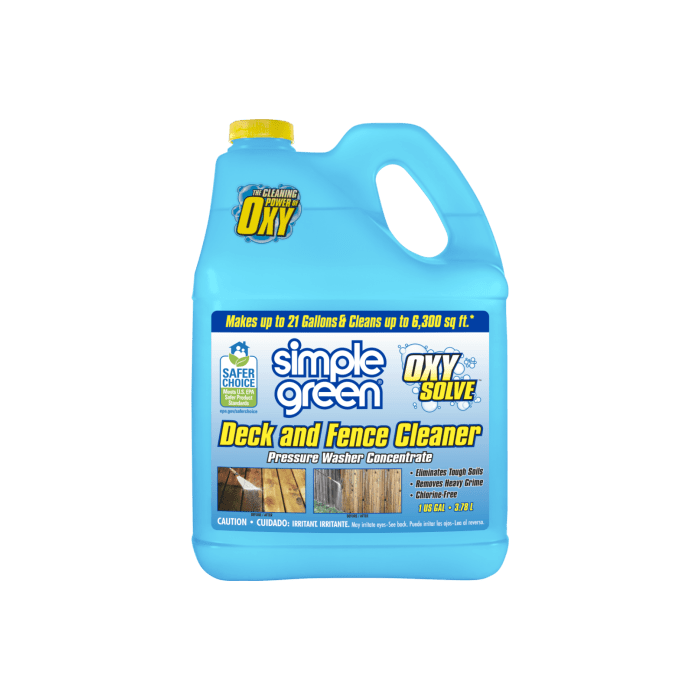
Source: simplegreen.com
Choosing the right type of wood for your fence is crucial for its longevity and aesthetic appeal. Different wood species possess varying characteristics that impact their durability, maintenance requirements, and overall lifespan. Understanding these differences will help you make an informed decision that aligns with your budget and desired fence lifespan.
Wood Fence Types
Various wood types are commonly used for fences, each with unique properties. The following table provides a comparative overview of different wood types, considering factors such as durability, maintenance needs, and typical cost.
| Wood Type | Durability Rating (1-5, 5 being highest) | Maintenance Needs | Typical Cost (per linear foot, approximate) |
|---|---|---|---|
| Pressure-Treated Pine | 3 | Requires regular sealing and staining to prevent rot and decay. Needs to be repainted or restained every 2-3 years depending on exposure and climate. | $5-$10 |
| Cedar | 4 | Naturally resistant to rot and decay, but still needs periodic sealing and staining to maintain its beauty and prevent insect infestation. Needs reapplication every 5-7 years. | $8-$15 |
| Redwood | 5 | Highly resistant to rot, decay, and insects. Requires less frequent maintenance than other wood types. Re-staining or sealing every 8-10 years is typical. | $12-$25 |
| Ipe | 5 | Extremely durable and resistant to rot, decay, insects, and weathering. Minimal maintenance needed. Requires occasional cleaning and re-sealing every 10-15 years. | $25-$40 |
| Cypress | 4 | Naturally resistant to decay and rot. Requires regular sealing and staining to protect against moisture and insects. Re-application is needed approximately every 5-7 years. | $10-$20 |
The durability rating reflects the wood’s resistance to decay and insect infestation. Higher ratings indicate greater longevity and reduced maintenance needs. Maintenance requirements are affected by environmental factors such as moisture levels, sunlight exposure, and local insect populations. Costs vary depending on the region, availability of the wood, and the specific grade of the lumber.
Factors Affecting Wood Fence Durability
The longevity of a wood fence is influenced by various factors beyond just the type of wood. Proper installation, including ensuring a solid foundation and proper drainage, is paramount. Regular maintenance, including sealing, staining, or painting, is crucial for preserving the wood’s integrity and aesthetics. Exposure to harsh weather conditions, such as heavy rainfall or direct sunlight, can accelerate the deterioration process.
Cleaning Solution Ingredients
Wood fence cleaning solutions often employ a combination of ingredients to effectively remove dirt, grime, and mildew. Careful selection and application of these ingredients are crucial for preserving the fence’s aesthetic appeal and longevity. Understanding the function of each component allows for the creation of customized cleaning solutions tailored to specific needs.
Common Ingredients
Various ingredients are commonly found in wood fence cleaning solutions. These ingredients, often combined in different proportions, contribute to the cleaning power and effectiveness of the solution. The most frequent components include water, detergents, and potentially, mild bleaching agents.
- Water: The primary solvent in most cleaning solutions, water is essential for dissolving dirt and grime. It acts as a carrier for other cleaning agents, enabling them to reach and penetrate the surface of the wood.
- Detergents: These surfactants, such as dish soap or laundry detergent, help lift and emulsify dirt and grease, making them easier to rinse away. The choice of detergent depends on the type of dirt and the desired cleaning outcome.
- Bleach (Sodium Hypochlorite): A powerful oxidizer, bleach can effectively eliminate mildew and stubborn stains. However, it can also damage wood if used excessively or improperly. Its use should be carefully considered and diluted appropriately to minimize the risk of wood discoloration or deterioration.
Comparison of Cleaning Solution Recipes
Different cleaning solution recipes cater to varying needs and preferences. The effectiveness and safety of each approach depend on the specific ingredients used and their concentrations.
- Simple Soap and Water: This is a gentle, low-cost approach suitable for light soiling. The effectiveness is limited, but it’s a safe option for preserving the wood’s natural finish. Example: 1 tablespoon of dish soap per gallon of water.
- Bleach and Water: Effective against mildew and algae, this solution requires careful dilution to prevent damage to the wood. Example: 1 part bleach to 9 parts water, used sparingly.
- Detergent and Bleach Combination: This combination leverages the emulsifying power of detergent with the bleaching power of bleach to tackle tougher stains. However, it’s important to maintain a low concentration of bleach to prevent damage to the wood.
DIY Cleaning Solution Comparison
The following table compares various DIY cleaning solutions based on their ingredients, cost, and effectiveness. Factors such as stain type and wood condition influence the best solution to use.
| Cleaning Solution | Ingredients | Cost | Effectiveness (Light/Moderate/Heavy Stains) | Safety Concerns |
|---|---|---|---|---|
| Simple Soap and Water | Water, Dish Soap | Low | Light | Low |
| Bleach and Water | Water, Bleach | Low | Moderate/Heavy (Mildew/Algae) | High (if not diluted properly) |
| Detergent and Bleach Combination | Water, Detergent, Bleach | Low | Moderate/Heavy | High (if not diluted properly) |
Preparation and Application Methods
Proper preparation and application are crucial for effective wood fence cleaning. This ensures the cleaning solution works efficiently, protects the wood’s integrity, and achieves a long-lasting, clean result. Thorough preparation prevents damage and maximizes the effectiveness of the chosen cleaning solution.
A well-prepared wood fence is more receptive to cleaning solutions, allowing them to penetrate deeply and remove dirt and grime effectively. This also helps in preventing future damage and extending the life of the fence. Proper application methods are essential for ensuring even distribution of the cleaning solution and preventing streaking or uneven cleaning.
Preparing the Wood Fence for Cleaning
Careful preparation of the wood fence before applying cleaning solutions is vital for optimal results. This involves a series of steps that ensure the solution penetrates the wood effectively and prevents damage. These steps help to remove loose debris and protect the wood from damage during the cleaning process.
- Inspect the fence: Carefully examine the fence for any loose or damaged sections, nails that need to be hammered, or large accumulations of dirt. Note any areas that may require extra attention during the cleaning process. This allows for a targeted approach, ensuring each section receives appropriate care.
- Remove loose debris: Use a stiff-bristled brush or a garden hose to remove loose dirt, leaves, and other debris from the fence’s surface. This step ensures that the cleaning solution can directly contact the wood, maximizing its effectiveness. This also minimizes the potential for the cleaning solution to become diluted by excessive debris.
- Protect surrounding areas: Cover any plants, landscaping, or other surfaces that might be affected by the cleaning solution. This prevents unintended damage to other parts of the yard or garden. Use drop cloths or plastic sheeting to protect nearby areas from the cleaning solution and ensure that the cleaning process doesn’t harm the surrounding environment.
- Test the solution in an inconspicuous area: Before applying the solution to the entire fence, test it on a small, inconspicuous area to ensure it doesn’t damage the wood or alter its color. This preemptive measure helps to identify potential issues and allows for adjustments if necessary.
Applying Cleaning Solutions
The best application method depends on the type of cleaning solution and the characteristics of the wood fence. Proper application ensures the solution effectively cleans the wood without damaging it. This is crucial for maintaining the fence’s appearance and longevity.
- Using a spray bottle: For most solutions, a spray bottle is an efficient method for distributing the cleaning solution evenly. Spray the solution onto the fence in overlapping sections, ensuring each area receives a thorough coating. This approach ensures the solution is uniformly distributed, which prevents streaking or uneven cleaning.
- Using a sponge or brush: For stubborn stains or heavily soiled areas, a sponge or soft-bristled brush can be used to apply the cleaning solution directly. Gently scrub the affected area to loosen the dirt and grime. This method allows for a more targeted approach to cleaning specific areas that require extra attention. Avoid excessive pressure, as this can damage the wood’s surface.
- Using a garden hose: For areas with minimal dirt, a garden hose can be used to rinse the fence. This step is crucial to remove any remaining solution and ensure a clean finish. This step ensures that any residual cleaning solution is removed, preventing potential damage or discoloration to the wood over time.
Cleaning Different Fence Sections
Cleaning different sections of a wood fence requires attention to detail and proper technique to avoid damage or uneven results. The specific cleaning method should be adapted to the type of wood and the degree of soiling.
- Vertical planks: Apply the cleaning solution to the vertical planks using a spray bottle or sponge, working from top to bottom in overlapping sections. Clean each plank thoroughly, paying attention to crevices and corners. Use a stiff-bristled brush to remove any stubborn stains. The use of overlapping sections helps ensure thorough cleaning of the entire plank surface.
- Horizontal rails: Apply the cleaning solution to the horizontal rails, working from left to right in overlapping sections. Pay particular attention to areas where dirt and debris accumulate. Use a soft-bristled brush to remove any stubborn stains. Ensure a thorough cleaning of the entire rail surface by overlapping sections, to avoid missing any areas.
Step-by-Step Cleaning Guide
This guide Artikels the steps for cleaning a wood fence, including visual aids.
- Inspect the fence (Image 1): (Image shows a detailed view of a wood fence, highlighting areas with dirt, loose debris, and possible damage.)
- Remove loose debris (Image 2): (Image demonstrates the use of a stiff-bristled brush or garden hose to remove dirt and leaves from the fence’s surface.)
- Protect surrounding areas (Image 3): (Image depicts the use of drop cloths or plastic sheeting to protect nearby landscaping or plants from the cleaning solution.)
- Test the solution (Image 4): (Image shows a small, inconspicuous area of the fence where a cleaning solution is being tested to check for any negative effects on the wood’s color or texture.)
- Apply the solution (Image 5): (Image shows the application of cleaning solution to a vertical plank using a spray bottle, highlighting even distribution and overlapping sections.)
- Scrub stubborn stains (Image 6): (Image demonstrates the use of a soft-bristled brush to scrub a heavily soiled area on a horizontal rail.)
- Rinse the fence (Image 7): (Image displays the use of a garden hose to rinse the fence, ensuring all cleaning solution is removed.)
Safety Precautions
Cleaning wood fences can be a rewarding task, but safety should always be a top priority. Proper precautions can prevent injuries and ensure a successful and enjoyable cleaning process. Following these safety guidelines will help minimize potential risks associated with cleaning solutions and their application.
Understanding the potential hazards of cleaning solutions and taking necessary precautions is crucial for a safe and effective cleaning process. This section Artikels essential safety measures to protect yourself and the environment during wood fence cleaning.
Hazard Identification
Cleaning solutions for wood fences often contain chemicals that can be hazardous if not handled correctly. Some common ingredients like bleach, ammonia, or strong acids can cause skin irritation, eye damage, or respiratory problems. Thorough understanding of the specific chemicals in your chosen cleaning solution is essential. Always refer to the product label for detailed information on potential hazards and safety precautions.
Protective Gear
Appropriate personal protective equipment (PPE) is vital for safe cleaning practices. This includes, but is not limited to, the following:
- Gloves: Chemical-resistant gloves are essential to protect your hands from contact with cleaning solutions. Ensure the gloves are suitable for the specific chemicals in the solution. Nitrile or neoprene gloves are good choices for most cleaning solutions.
- Eye Protection: Safety glasses or goggles are critical to protect your eyes from splashes or fumes. The type of eye protection should be selected based on the specific cleaning solution being used and the potential hazards associated with it. Full face shields may be necessary for some solutions.
- Respiratory Protection: If the cleaning solution produces fumes or vapors, a respirator is required to protect your respiratory system. Always follow the manufacturer’s instructions for respirator selection and use. Consult with a safety professional for specific recommendations.
Safety Measures
Adhering to safety measures is paramount to preventing accidents during wood fence cleaning. These measures should be followed diligently to maintain a safe work environment.
- Ventilation: Ensure adequate ventilation in the work area. Open windows and doors, or use fans to circulate air and prevent the buildup of harmful fumes or vapors.
- Dilution: Follow the manufacturer’s instructions regarding solution dilution. Over-concentrated solutions can be more harmful and increase the risk of accidents. Diluting solutions as directed reduces the risk of chemical burns and other hazards.
- Storage: Store cleaning solutions in their original containers in a cool, dry, and well-ventilated area. Keep them away from heat sources and food. Proper storage prevents accidental exposure and potential contamination.
- First Aid: Have readily available first-aid supplies, such as bandages, antiseptic wipes, and eyewash solution, in case of accidental exposure. Know the location of emergency medical services and how to contact them.
- Disposal: Dispose of cleaning solution and contaminated materials according to local regulations. Check with your local waste disposal authority for specific instructions on handling hazardous waste.
Emergency Procedures
Knowing how to react in case of an emergency is critical. Understanding emergency procedures can significantly reduce the severity of accidents.
- Contact Emergency Services: In case of exposure to hazardous chemicals, immediately contact emergency medical services or a poison control center. Provide them with the details of the incident, including the cleaning solution involved.
- Seek Medical Attention: If you experience any adverse effects after handling the cleaning solution, seek immediate medical attention. Don’t hesitate to report any symptoms, no matter how minor they seem.
Different Cleaning Techniques
Choosing the right cleaning technique for your wood fence is crucial for preserving its beauty and longevity. Incorrect methods can damage the wood’s surface, leading to premature deterioration. Understanding the various techniques and their suitability for different fence types and issues will help you maintain your fence effectively.
Effective cleaning involves not only removing dirt and grime but also addressing underlying issues like mildew or mold. This often necessitates a combination of techniques tailored to the specific problem. Different wood types react differently to cleaning agents and pressure.
Pressure Washing Techniques
Pressure washing is a popular method for removing stubborn dirt and grime from wood fences. It’s often the quickest way to achieve a thorough cleaning, especially for heavily soiled fences. However, improper use can lead to damage.
- Pros: Effective at removing significant amounts of dirt, mold, and mildew; relatively fast; accessible with readily available equipment.
- Cons: Can potentially damage the wood if the pressure is too high; can potentially push dirt deeper into the wood; may not be suitable for all types of wood, particularly softwoods or those with intricate carvings.
- Application Considerations: Use a low-pressure setting for most fences. Avoid spraying directly at joints or corners to prevent damage. Start from the top and work your way down, ensuring thorough cleaning without causing damage to the fence. Consider using a nozzle with adjustable pressure to target different areas.
Scrubbing Techniques, Cleaning solution for wood fence
Scrubbing is a more hands-on method, suitable for smaller areas or fences with intricate designs. It allows for greater control over the cleaning process, preventing damage to the wood.
- Pros: Provides greater control over the cleaning process; better for intricate designs or delicate wood; suitable for smaller areas.
- Cons: Can be time-consuming, especially for large fences; may require more effort than pressure washing.
- Application Considerations: Use a soft-bristled brush or a specialized cleaning tool to avoid scratching the wood. Apply cleaning solution liberally and scrub gently in circular motions. Ensure the solution is rinsed thoroughly to prevent residue buildup.
Soft Brush Techniques
A soft brush offers a gentle approach, ideal for delicate wood surfaces or areas with intricate designs. It effectively removes loose dirt and grime without causing damage.
- Pros: Gentle on wood surfaces; suitable for intricate carvings or designs; minimizes the risk of scratching or damage; excellent for removing loose dirt and debris without harsh scrubbing.
- Cons: May not be effective for heavily soiled areas; can be time-consuming for large fences.
- Application Considerations: Use a soft-bristled brush to avoid scratching the wood. Apply cleaning solution and gently brush the surface in a circular motion. Ensure the solution is rinsed thoroughly to prevent residue buildup. This technique works best in combination with a solution tailored to the type of wood.
Addressing Specific Problems
Different cleaning techniques are more effective for specific wood fence issues.
- Mildew/Mold: Pressure washing with a low-pressure setting can be effective, but consider using a specialized mildew/mold cleaner. If the problem is persistent, repeat the process with appropriate cleaning agents, or even consult with a professional for more intensive treatment options.
- Stubborn Stains: For stubborn stains, a combination of scrubbing with a soft brush and a specialized cleaner may be necessary. Consider pre-treating the stained areas before scrubbing to soften the stain and enhance the cleaning process.
Preventing Future Problems: Cleaning Solution For Wood Fence
Maintaining a beautiful and functional wood fence requires proactive measures to prevent future issues. Proactive strategies, such as proper sealing and regular maintenance, are crucial for extending the lifespan of the fence and preserving its aesthetic appeal. These preventative measures will significantly reduce the need for costly repairs and replacements in the future.
Proactive maintenance is key to ensuring the long-term health of your wood fence. By understanding the specific needs of different wood types and implementing the appropriate preventative strategies, you can significantly reduce the likelihood of costly repairs and maintain the structural integrity and aesthetic appeal of your fence for many years.
Methods for Preventing Mildew and Mold
Regular cleaning and proper ventilation are crucial for preventing mildew and mold growth on wood fences. These factors play a vital role in controlling the conditions conducive to mold and mildew development. Addressing these issues proactively will contribute to the longevity of your fence.
- Thorough Cleaning: Regularly cleaning the fence with a suitable cleaning solution removes accumulated dirt, debris, and organic matter, which can create an environment favorable for mildew and mold growth. Ensure that the cleaning process is comprehensive to remove all traces of these contaminants.
- Improved Air Circulation: Adequate air circulation around the fence can help to prevent moisture buildup, a key factor in the development of mildew and mold. Ensuring proper ventilation can significantly reduce the risk of these issues.
- Addressing Underlying Moisture Issues: Inspect the fence for any signs of moisture retention, such as pooling water or excessive humidity. If necessary, address these issues promptly to prevent mold and mildew growth.
Methods for Preventing Rot
Wood rot is a common issue for wood fences, particularly in areas with high humidity or consistently wet conditions. Understanding the causes and implementing preventative measures can significantly reduce the risk of rot.
- Proper Drainage: Ensure that water drains away from the base of the fence to prevent standing water, which can contribute to rot. This crucial step helps to maintain a healthy environment for the wood.
- Regular Inspection: Regularly inspect the fence for any signs of rot, such as soft spots, discoloration, or unusual texture. Early detection of these issues allows for timely intervention.
- Treating Wood with Preservatives: Applying wood preservatives, like those containing copper naphthenate, can effectively inhibit the growth of rot-causing fungi and microorganisms. This step can significantly enhance the longevity of the fence.
Sealing and Treating Wood Fences
Sealing and treating wood fences is essential for enhancing their longevity and preserving their aesthetic appeal. Proper sealing creates a protective barrier against moisture and elements that can degrade the wood over time.
- Choosing the Right Sealant: Select a sealant that is suitable for the specific type of wood and the environmental conditions. Consider factors such as the level of moisture exposure and the desired level of protection.
- Application Technique: Apply the sealant according to the manufacturer’s instructions, ensuring complete coverage of the wood surface. Proper application is crucial for optimal results.
- Regular Resealing: Regular resealing is essential to maintain the effectiveness of the sealant and protect the wood from moisture and damage. This is an important part of the ongoing maintenance process.
Maintenance Schedules
Different wood fence types require varying maintenance schedules. Following a suitable maintenance schedule can help to extend the life of the fence and prevent costly repairs.
| Wood Type | Maintenance Schedule |
|---|---|
| Pressure-treated lumber | Annual cleaning and inspection; re-treating every 5-7 years. |
| Cedar | Annual cleaning; re-sealing every 2-3 years. |
| Pine | Annual cleaning and inspection; re-sealing every 1-2 years. |
Troubleshooting Common Issues
Maintaining a pristine wood fence requires vigilance and understanding of potential problems. This section details common issues encountered during cleaning, their causes, and effective solutions. Proper identification and response are crucial to preserving the fence’s aesthetic appeal and structural integrity.
Common issues during wood fence cleaning can range from minor discoloration to more significant structural concerns. Careful observation and appropriate responses can mitigate these issues, preserving the fence’s beauty and longevity. By understanding the root causes of these problems, homeowners can take proactive steps to prevent future occurrences.
Discoloration Issues
Understanding the causes of discoloration is essential for effective treatment. Fungal growth, exposure to harsh weather, or improper cleaning agents can all lead to unsightly discoloration. Careful analysis of the affected area is crucial to determine the specific cause.
- Fungal Growth: Fungi thrive in damp environments, leading to a variety of discoloration, from brownish-gray stains to black mold. Regular cleaning and proper ventilation can help prevent fungal growth. Cleaning the fence with a solution of bleach and water (use caution and follow safety guidelines) can eliminate existing fungal growth. If the discoloration is severe, professional treatment might be necessary.
- Weather Exposure: Prolonged exposure to sun, rain, and other elements can cause the wood to fade or become discolored. Using a sealant or wood preservative can protect the fence from the elements. In some cases, a specialized stain designed for the specific type of wood can restore the original color.
- Improper Cleaning Agents: Using harsh chemicals or cleaning agents not specifically formulated for wood can damage the fence, leading to discoloration. Always choose a cleaning solution designed for wood fences and follow the manufacturer’s instructions carefully. A solution made with mild soap and water is often sufficient for regular cleaning.
Warping and Cracking
Wood is a natural material, and it can warp or crack under certain conditions. Understanding these issues is critical for preventive measures.
- Moisture Damage: Excessive moisture can cause wood to swell and warp. Ensure proper drainage around the fence and avoid prolonged water exposure. If the warping is severe, professional repair might be required.
- Temperature Fluctuations: Significant temperature changes can also cause wood to expand and contract, potentially leading to warping or cracking. Proper sealing and protection can mitigate the effects of these changes.
- Poor Installation: Defective installation can cause the fence to warp over time. Checking the fence’s structural integrity and addressing any underlying issues are essential to prevent further problems.
Troubleshooting Guide
| Problem | Cause | Solution |
|---|---|---|
| Discoloration | Fungal growth, weather exposure, improper cleaning agents | Clean with a solution of bleach and water (if needed), apply sealant or wood preservative, use appropriate cleaning agents |
| Warping | Moisture damage, temperature fluctuations, poor installation | Ensure proper drainage, protect from prolonged water exposure, address structural issues |
| Peeling Paint/Stain | Poor preparation before application, old paint/stain, incorrect application method | Proper surface preparation, removal of old paint/stain, using the right application method, following manufacturer instructions |
Final Conclusion
In conclusion, this guide provides a thorough overview of cleaning solution for wood fences, encompassing everything from choosing the right cleaning solution to preventing future problems. By following the steps and tips Artikeld here, you can confidently tackle your fence cleaning project, ensuring a beautiful and well-maintained wooden structure. Remember safety is paramount, and proper preparation is key to a successful and efficient clean.