Cost to Install White Picket Fence A Comprehensive Guide
Cost to install white picket fence is a crucial factor to consider when embarking on this home improvement project. Factors like material selection, design complexity, and location all play a role in the final price. This guide dives deep into the various elements influencing the overall cost, from materials to labor, and provides valuable insights to help you make informed decisions.
Understanding the different materials available – wood, vinyl, and composite – and their respective costs is essential. This includes considering long-term maintenance needs and the potential price variations across various regions. Labor costs are also significant, influenced by geographic location, experience level of installers, and the intricacy of the design. The guide also explores how customization options, such as gates or arches, affect the overall budget.
Factors Affecting Installation Costs
Installing a white picket fence involves a variety of considerations, each impacting the final price. Understanding these factors is crucial for homeowners planning this project. The cost is influenced by several key elements, from the materials chosen to the complexity of the design and local labor rates.
Several factors significantly affect the overall cost of installing a white picket fence. These include the type of material used, the dimensions of the fence, the design complexity, and the costs associated with labor and permitting. Accurate cost estimation requires careful consideration of these aspects.
Material Types and Their Impact
Different materials have varying price points and durability. Wood fences, while classic, often require more maintenance than vinyl or composite options. Vinyl fences are generally more affordable and low-maintenance, but they might not offer the same aesthetic appeal as wood. Composite fences strike a balance, offering durability and lower maintenance than wood, often at a higher price point than vinyl. The choice of material directly influences the total installation cost.
Fence Dimensions: Length, Height, and Complexity
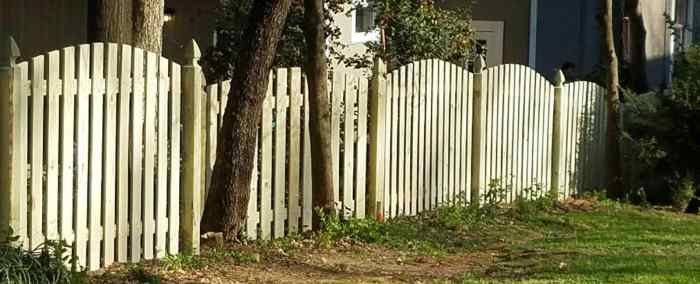
Fence length significantly impacts the overall cost. A longer fence will naturally require more materials and labor hours. Height also plays a role, with taller fences often costing more due to increased material quantities and the need for stronger posts. The complexity of the design, such as intricate gates or decorative elements, adds to the labor costs and overall project expense. A simple straight fence will generally be less expensive than a curved or elaborate design.
Labor Costs and Geographic Location
Labor costs are a substantial part of the installation expense. These costs vary considerably across different geographic regions. High demand for skilled labor in urban areas or regions with a high cost of living will generally result in higher installation costs. The experience and qualifications of the installation crew also influence the labor costs.
Permits and Regulations
Local building codes and permitting requirements can affect the cost of installing a fence. Regulations concerning fence height, setback requirements, and proximity to property lines may necessitate additional expenses. Obtaining the necessary permits adds to the administrative costs associated with the project. Homeowners should consult with local authorities to understand the specific regulations applicable to their area.
Installation Methods and Their Costs
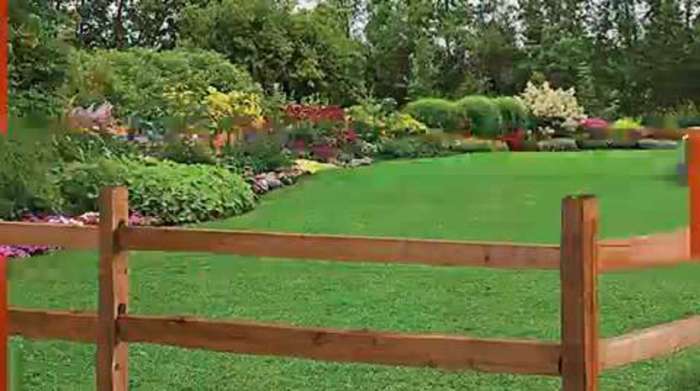
Different installation methods, such as post-and-rail or board-on-board, result in varying costs. Post-and-rail fences, with their vertical posts and horizontal rails, often have a straightforward installation process, making them relatively less expensive. Board-on-board fences, with their closely fitted boards, often require more labor and materials, leading to higher installation costs. The choice of installation method significantly impacts the final price.
Average Cost Per Linear Foot for Different Materials
| Material | Average Cost per Linear Foot (USD) |
|---|---|
| Wood | $15 – $30 |
| Vinyl | $10 – $25 |
| Composite | $20 – $40 |
Note: These are approximate figures and can vary based on specific factors like fence height, design, and location.
Material Costs and Availability
Source: behance.net
Material costs for white picket fences fluctuate based on various factors, including material type, regional availability, and current market trends. Understanding these costs is crucial for accurate budgeting and selecting the most cost-effective option for your project. The longevity and maintenance requirements of different materials also play a significant role in the overall cost-effectiveness over time.
Current Market Prices for Different Fence Materials
The current market prices for fence materials vary significantly. Factors like lumber prices, demand, and transportation costs influence these fluctuations. For instance, a recent surge in lumber prices impacted the cost of wood fences. Vinyl and composite materials, while often more stable, can also experience price adjustments based on market conditions.
Cost-Effectiveness of Different Materials
Comparing the cost-effectiveness of different fence materials necessitates a long-term perspective, encompassing initial cost and ongoing maintenance. Wood, while often the least expensive initially, typically requires more maintenance and replacement over time. Vinyl and composite materials, though initially more costly, generally offer a lower long-term maintenance burden. This difference in maintenance needs can significantly impact the overall cost of ownership over the fence’s lifespan.
Readily Available Materials and Regional Costs
The availability and cost of fence materials vary considerably by region. For example, regions with abundant local lumber resources may see lower wood fence costs compared to regions reliant on imported lumber. Similarly, regional variations in vinyl and composite material prices are possible. Consulting local suppliers and contractors can provide precise cost estimates for your specific location.
Typical Material Costs per Square Foot
| Fence Type | Typical Cost per Square Foot (USD) |
|---|---|
| Wood (pressure-treated pine) | $5-$15 |
| Vinyl | $10-$25 |
| Composite | $15-$30 |
Note: These are approximate figures and can vary widely based on specific material quality, design complexity, and local market conditions.
Examples of Wood Types and Costs
Various types of wood are used in picket fences, each with its own cost and characteristics. Pressure-treated pine is a common, relatively affordable choice. Cedar, known for its natural resistance to rot and insects, often commands a higher price point. Redwood, with its rich color and durability, carries an even higher cost. The specific type of wood selected will directly influence the overall cost of the project.
- Pressure-treated Pine: This is a popular choice for its affordability and availability. Its cost typically ranges from $5-$10 per square foot, depending on the specific grade and thickness.
- Cedar: Known for its natural resistance to decay, cedar is more expensive than pressure-treated pine, often costing $8-$15 per square foot.
- Redwood: A more expensive option, redwood’s durability and attractive appearance typically result in a price range of $12-$25 per square foot.
Labor Costs and Expertise
Installing a white picket fence requires a range of skills, from measuring and cutting lumber to ensuring proper support and aesthetic appeal. The complexity of the project, the size of the fence, and the experience level of the installers significantly influence the final cost.
Expert fence installers possess a diverse skill set, encompassing carpentry, construction techniques, and knowledge of local building codes. Their expertise ensures the fence’s structural integrity, adherence to regulations, and a high-quality finish. The installation process often involves meticulous planning, precise measurements, and attention to detail.
Skill Sets Required
Fence installation necessitates various skill sets. Carpenters need expertise in cutting, shaping, and assembling fence materials. They must also possess knowledge of structural support to ensure the fence’s stability. Furthermore, installers must have a strong understanding of working with different materials, including wood, vinyl, or metal, to guarantee proper installation and longevity. Additional skills include basic plumbing and electrical work if the fence includes components like gates or lighting.
Impact of Experience Level on Costs
The experience level of the installers directly affects the labor costs. Entry-level installers, while capable of performing basic tasks, often require more supervision and training, leading to higher labor costs compared to experienced professionals. Experienced installers possess a deeper understanding of the installation process, allowing them to work more efficiently and accurately. This efficiency translates to potentially lower labor costs per hour.
Typical Hourly Rates for Fence Installers
Hourly rates for fence installers vary considerably based on location and experience. For instance, installers in urban areas with higher labor costs may charge more per hour than those in rural areas. Geographic factors, such as local economic conditions, and the demand for installation services also influence the pricing structure. It is important to research average hourly rates in your specific area. For a general idea, experienced installers in major metropolitan areas might charge $50-$80 per hour, while less experienced installers could charge in the $30-$50 per hour range.
Comparison of Professional Installation vs. DIY
Professional installation offers several advantages over DIY approaches. Professionals have the necessary tools, experience, and knowledge to ensure proper installation, adhering to local codes and standards. DIY installations, while potentially cheaper, often lead to less durable and aesthetically pleasing results. Moreover, incorrect installation can cause safety issues or structural problems. The potential for errors in DIY installations is substantial, increasing the likelihood of costly repairs or re-installation.
Estimated Labor Costs for Different Fence Sizes and Complexities
| Fence Size/Complexity | Estimated Labor Costs (USD) |
|---|---|
| Small, simple picket fence (10-20 linear feet) | $500-$1500 |
| Medium-sized picket fence (20-40 linear feet, with gates) | $1000-$2500 |
| Large, complex fence (over 40 linear feet, with decorative features) | $2000-$5000+ |
Note: These are estimated costs and can vary depending on factors such as material costs, location, and specific requirements. It is essential to get detailed quotes from multiple installers before making a decision.
Design and Customization Options
The design of your white picket fence significantly impacts the overall installation cost. Factors like complexity, desired customizations, and specific design elements all contribute to the final price. Understanding these nuances allows homeowners to make informed decisions about their fence project.
Customizations, from simple gates to elaborate arches, often require specialized materials and labor, increasing the project’s overall cost. Careful consideration of the desired aesthetic and functionality will help homeowners anticipate and budget for these additional expenses.
Impact of Design Complexity on Installation Costs
The intricacy of the fence design directly correlates with the installation time and labor required. Simple, straight-line designs with standard pickets are generally less expensive to install than elaborate designs featuring curved lines, decorative pickets, or multiple gates. The more complex the design, the more time and labor are needed, thus increasing the overall cost.
Influence of Customizations on Installation Costs
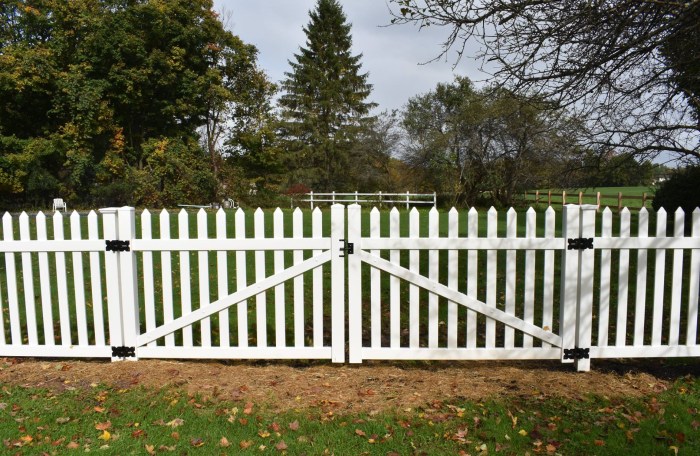
Adding features like gates, arches, or decorative elements increases the cost of installation. Gates, for instance, require specialized hardware, potentially adding to the material and labor costs. Similarly, elaborate arches demand specialized design work and possibly custom fabrication, which will add to the final price.
Impact of Specific Design Elements on the Final Price
Specific design elements, such as decorative pickets or curved lines, often require additional material costs and installation time. Decorative pickets, for example, might be more expensive than standard pickets and could need specialized handling during installation. Curved lines or intricate patterns may require more precise cuts and adjustments, leading to higher labor costs.
Examples of Fence Styles and Associated Costs
Different fence styles have varying price points. A traditional picket fence with simple pickets and a straightforward design is typically less expensive than a modern fence with intricate designs, unique materials, and complex curves. The following table provides an example of estimated costs for different fence styles:
| Fence Style | Estimated Installation Cost (per linear foot) |
|---|---|
| Traditional Picket | $25-$50 |
| Modern Geometric | $40-$75 |
| Curved/Arched | $50-$100 |
| Wrought Iron | $75-$150 |
Note: These are estimates and actual costs may vary depending on local labor rates, material availability, and project specifics.
Additional Costs for Customization Options
The following table Artikels potential additional costs for various customization options:
| Customization Option | Estimated Additional Cost (per unit/feature) |
|---|---|
| Gate (single) | $100-$300 |
| Archway | $150-$500 |
| Decorative Pickets | $5-$20 per picket |
| Curved Lines | $10-$30 per linear foot |
| Special Materials (e.g., treated wood, composite) | Variable, based on material |
Note: These are approximate costs and may vary based on specific materials, labor rates, and project scope. Always get detailed quotes from local contractors.
Project Scope and Location
The project scope, encompassing the dimensions of the property and the specific location, significantly influences the total cost of installing a white picket fence. Understanding these factors is crucial for accurate budgeting and realistic expectations. Variations in terrain, property size, and regional differences all contribute to price fluctuations.
Factors such as property size, fence length and width, and the presence of challenging terrain directly impact the overall installation cost. These factors influence labor hours, material quantities, and potential additional costs for specialized equipment or techniques. Understanding these elements allows for more precise cost estimations and ensures realistic budgets.
Fence Dimensions and Impact on Cost
Fence length and width are fundamental determinants of installation costs. A longer fence requires more materials and labor hours, directly correlating with a higher overall cost. Similarly, a wider fence necessitates more posts, rails, and other components, also leading to increased expenses. For instance, a 100-foot-long, 4-foot-high fence will typically cost more to install than a 50-foot-long, 3-foot-high fence, assuming similar materials and labor rates. This is due to the increased amount of materials needed and the additional time required for installation.
Cost Implications of Challenging Terrain
Installing a fence on challenging terrain, such as sloping land, rocky areas, or areas with dense vegetation, often adds to the installation cost. These conditions frequently necessitate specialized equipment, additional labor hours for site preparation, and potentially more materials to accommodate the specific landscape features. For example, installing a fence on a steep hillside may require retaining walls or customized support structures, increasing both material and labor costs. Likewise, clearing vegetation or leveling uneven ground adds to the overall project expenses.
Impact of Property Size on Project Scope
Property size plays a crucial role in determining the overall scope of the fence installation project. Larger properties require more materials, labor, and often more time for completion. This translates to a higher total cost. For example, a large, sprawling estate with multiple access points and extensive landscaping might have significantly higher installation costs than a smaller lot with a simple layout. The complexity of the property’s layout and the required fencing sections contribute to the project’s overall scope.
Impact of Property Type and Regional Variations
Different property types can impact installation costs. A property with existing structures or complex landscaping may necessitate additional preparation work, thus increasing costs. Likewise, properties with specific access limitations may necessitate specialized equipment or transportation, adding to the overall expense.
Installation costs also vary significantly across different states or regions. Labor rates, material costs, and local regulations all play a part in determining the price. For instance, installing a fence in a high-cost-of-living area, such as certain coastal states, will likely be more expensive than in a more rural region, due to higher labor costs and potentially higher material prices. This highlights the importance of obtaining accurate estimates from local contractors familiar with the specific region.
| Property Type | Potential Cost Impact |
|---|---|
| Residential lot with minimal landscaping | Lower cost |
| Commercial property with complex access | Higher cost |
| Large estate with multiple sections | Significantly higher cost |
Estimating Installation Costs
Accurately estimating the cost of a white picket fence installation is crucial for planning and budgeting. This involves considering various factors beyond just the materials, including labor, design complexities, and location-specific variables. Proper estimation ensures you avoid unpleasant surprises down the line and helps you make informed decisions about your project.
Methods for Estimating Installation Costs
Estimating installation costs involves a systematic approach combining material and labor costs. A preliminary estimate can be generated using readily available online resources, but a precise calculation requires a more detailed approach. This often necessitates contacting local contractors for personalized quotes.
Step-by-Step Guide to Calculating Installation Costs
A comprehensive cost estimation should follow a structured approach. First, determine the project’s scope (fence length, height, style). Next, gather material costs based on the chosen materials (wood type, paint, etc.). Consider labor costs based on the complexity of the installation and local labor rates. Contingency costs should be factored in to account for unforeseen circumstances.
Detailed Example of Calculating Total Installation Costs
Let’s assume a 20-foot-long, 4-foot-high white picket fence. Wood costs $10 per linear foot. Installation labor, assuming moderate complexity, is estimated at $20 per linear foot. Contingency is set at 10% of the total material and labor costs.
Material Cost: 20 feet * $10/foot = $200
Labor Cost: 20 feet * $20/foot = $400
Total Direct Costs: $200 + $400 = $600
Contingency: $600 * 0.10 = $60
Total Estimated Installation Cost: $600 + $60 = $660
Importance of Getting Multiple Quotes from Contractors, Cost to install white picket fence
Contractors often have varying pricing structures and operating procedures. Seeking multiple quotes allows for comparison and ensures you receive the best possible value for your project. This is particularly valuable in identifying potential cost savings and obtaining different perspectives on the installation process.
Comparing Quotes Effectively to Choose the Best Option
Carefully scrutinize each quote, comparing not just the total price but also the details of materials used, labor estimates, and any additional services included. Look for transparency in the contractor’s approach and ensure they provide clear breakdowns of their costs. Consider factors such as warranty and guarantee terms when selecting a contractor. A well-structured comparison matrix can aid in this process.
| Contractor | Total Cost | Materials | Labor | Contingency | Additional Services |
|---|---|---|---|---|---|
| ABC Fencing | $700 | High-quality wood | Experienced team | 15% | Free site survey |
| XYZ Fencing | $650 | Standard wood | Experienced team | 10% | No additional services |
Comparing the quotes in the table shows that XYZ Fencing offers a more economical option while maintaining comparable quality. It’s essential to thoroughly evaluate the details behind each quote.
Installation Process Overview: Cost To Install White Picket Fence
Installing a white picket fence involves a methodical process, requiring careful planning and execution. This process ensures a strong, aesthetically pleasing, and long-lasting fence. Understanding the steps and considerations beforehand will contribute to a smooth and successful installation.
The installation process, from initial groundwork preparation to final picket attachment, requires precision and attention to detail. Proper execution is crucial to achieving a fence that meets structural and aesthetic expectations. Key considerations include the type of soil, local building codes, and the desired appearance of the finished product.
Groundwork Preparation
Thorough groundwork preparation is fundamental to a stable and lasting fence. Improper preparation can lead to future issues like settling or unevenness in the fence line. This step ensures the fence’s longevity and prevents potential structural problems.
- Excavation: Precise digging of the post holes is crucial. The holes must be the correct depth and width, accommodating the size of the fence posts. The depth must be sufficient to provide the required stability, and the width should allow for proper placement of the post and backfill.
- Compaction: Compacting the soil around the post holes is essential for a secure foundation. This ensures that the posts are firmly embedded and prevents shifting. Using a tamper or similar tool to compact the soil around the post ensures a stable base.
- Gravel or Sand Bed: Placing a layer of gravel or sand at the bottom of the post holes provides excellent drainage. This prevents water accumulation around the posts, which can lead to rot and instability. The layer of gravel or sand also provides a stable base for the post and helps prevent the soil from shifting around the post.
Post Installation
Installing the posts correctly is vital for the fence’s structural integrity. The posts act as the framework, supporting the entire fence structure.
- Post Placement: Precisely position the posts according to the fence’s design and layout. Accurate measurements and markings are essential to maintain alignment and achieve the desired aesthetic.
- Post Setting: Carefully set the posts into the prepared holes, ensuring they are plumb (vertical) and level. Use a level and plumb bob to ensure vertical alignment, preventing leaning or tilting.
- Post Support: Temporary support may be needed for larger or taller posts during installation. This support helps maintain the correct position until the concrete or other setting material has fully cured.
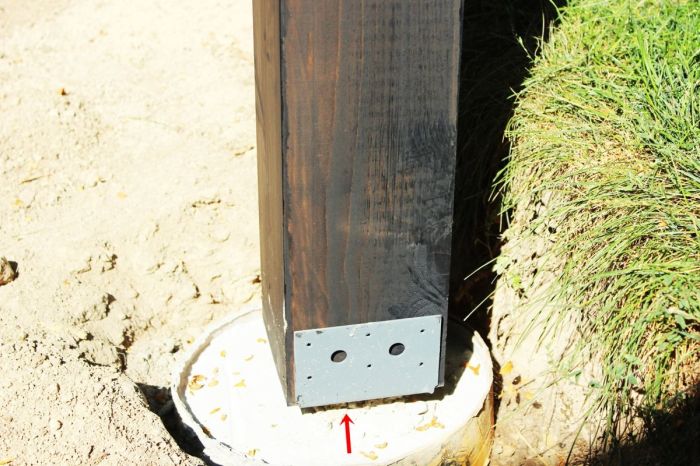
- Concrete or Other Setting Materials: Pour concrete or other suitable setting material around the base of the post. Fill the hole completely around the post to provide stability and prevent movement. Ensure the concrete is properly mixed and compacted to achieve the desired level of support.
- Curing: Allow the concrete or setting material to cure completely according to the manufacturer’s instructions. This is critical for the post to achieve its maximum strength and stability. Following the curing time will ensure that the post is adequately embedded.
Picket Attachment
Attaching the pickets to the fence posts ensures the fence’s complete structural integrity and desired appearance. Careful attention to detail is crucial in this stage.
- Pre-drilling: Pre-drilling pilot holes in the posts for the screws or nails is important. This prevents the wood from splitting and ensures a secure attachment. Pre-drilling is essential for avoiding damage to the wood.
- Attachment Method: Choose the appropriate attachment method based on the type of pickets and posts. Examples include using screws, nails, or specialized fence clips. Using the appropriate method ensures a secure and lasting attachment.
- Spacing and Alignment: Maintain consistent spacing and alignment between pickets for a uniform and aesthetically pleasing look. Measuring and marking are key to achieving even spacing.
- Finishing Touches: After all pickets are attached, check for any gaps or unevenness. Make any necessary adjustments to ensure a perfect finish.
Closing Summary
In conclusion, determining the cost to install a white picket fence involves a multifaceted approach. From material selection and design choices to labor costs and regional variations, numerous factors contribute to the final price. This comprehensive guide has provided a framework for understanding these factors and has equipped you with the knowledge necessary to estimate costs accurately and make informed decisions. Remember to gather multiple quotes and carefully evaluate each offer before committing to a contractor.