Eco-Friendly Fencing Sustainable Solutions
Eco friendly fencing – Eco-friendly fencing offers a sustainable alternative to traditional options, prioritizing environmental responsibility. From bamboo’s natural strength to recycled plastic’s durability, various materials are now available for environmentally conscious fencing projects. This guide explores the benefits, types, installation, cost, and design considerations of eco-friendly fencing, empowering homeowners to make sustainable choices.
This exploration of eco-friendly fencing delves into the different materials available, highlighting their unique properties and environmental impact. We’ll look at the sourcing, manufacturing, and disposal of each material, enabling informed decisions. Further, the guide provides insights into installation and maintenance practices, ensuring long-term durability and aesthetic appeal. Finally, a comparison of costs and design considerations will allow you to weigh the economic and aesthetic factors involved in choosing an eco-friendly fence.
Introduction to Eco-Friendly Fencing: Eco Friendly Fencing
Eco-friendly fencing prioritizes materials and production methods that minimize environmental impact. This approach considers the entire lifecycle of the fence, from sourcing raw materials to disposal, aiming for reduced carbon footprint, resource depletion, and pollution. It seeks to create a more sustainable alternative to traditional fencing options.
Using eco-friendly materials for fencing contributes to a healthier environment. By reducing reliance on resource-intensive materials and opting for renewable or recycled alternatives, the overall environmental footprint is significantly lowered, supporting biodiversity and mitigating climate change. This contrasts with traditional options, which often involve the extraction of raw materials, leading to deforestation, habitat loss, and pollution during manufacturing.
Eco-Friendly Fencing Materials
Eco-friendly fencing materials encompass a range of options that are either renewable, recyclable, or derived from recycled sources. These materials aim to lessen the environmental burden associated with traditional fencing materials. Examples include bamboo, recycled plastic, and reclaimed wood.
Sustainable Sourcing and Production Practices
Sustainable sourcing and production practices are critical to eco-friendly fencing. For instance, bamboo, a fast-growing grass, can be harvested sustainably without harming the ecosystem. Recycled plastic fencing utilizes materials that would otherwise end up in landfills, reducing waste and energy consumption during production. Similarly, reclaimed wood repurposes existing lumber, minimizing the need for new timber harvesting.
Environmental Impact Comparison
The environmental impact of various fencing materials varies considerably throughout their lifecycle. A comparative analysis reveals significant differences in the carbon footprint, resource consumption, and waste generation. The table below highlights these differences across different stages.
| Fencing Material | Sourcing | Manufacturing | Disposal | Overall Impact |
|---|---|---|---|---|
| Wood (traditional) | Deforestation, habitat loss (if not sustainably sourced) | High energy consumption, potential chemical use | Landfill waste, potential decomposition issues | High |
| Metal (e.g., steel) | Mining (energy-intensive), potential for ore extraction impacts | High energy consumption, potential emissions | Recyclable but requires energy for processing | Medium-High |
| Plastic (traditional) | Fossil fuel extraction, potential for pollution | High energy consumption, potential emissions | Non-biodegradable, significant landfill waste | High |
| Bamboo | Sustainable harvest from fast-growing plant, low resource use | Lower energy consumption compared to other materials | Biodegradable, returns to the ecosystem | Low |
| Recycled Plastic | Reduces landfill waste | Lower energy consumption than virgin plastic | Recyclable, reduces plastic waste | Medium-Low |
| Reclaimed Wood | Reduces demand for new timber, conserves resources | Minimal manufacturing energy, reduces waste | Biodegradable, returns to the ecosystem | Low |
Note: The “Overall Impact” column is a general assessment and can vary depending on specific sourcing and manufacturing practices.
Types of Eco-Friendly Fencing
Eco-friendly fencing options offer a sustainable alternative to traditional materials, reducing environmental impact while providing durable and aesthetically pleasing boundaries. These options often utilize recycled or renewable resources, minimizing waste and promoting responsible resource management.
Various materials are employed in eco-friendly fencing, each with unique characteristics, strengths, and drawbacks. Understanding these distinctions allows homeowners to make informed choices aligning with their specific needs and environmental values.
Bamboo Fencing
Bamboo, a rapidly renewable resource, is a popular choice for eco-friendly fencing. Its fast growth cycle and natural strength make it an attractive alternative to wood. Bamboo fencing exhibits a unique aesthetic quality, often characterized by its intricate patterns and natural textures. Its strength is comparable to some hardwoods, offering a good balance of durability and sustainability. Consideration should be given to the specific species of bamboo used, as some may be more resistant to pests and weather conditions than others. Furthermore, proper installation and maintenance are crucial to ensure longevity and structural integrity.
Recycled Plastic Fencing
Recycled plastic fencing provides an appealing alternative for its resilience and resistance to rot, pests, and extreme weather conditions. The durability of this material often surpasses traditional wood, offering long-term value. The recycled plastic composition can reduce reliance on virgin plastic production, mitigating the environmental impact associated with the process. However, the initial cost of recycled plastic fencing can be higher than wood. Additionally, the aesthetic appeal of some recycled plastic fencing might not be as refined as other materials. Color options and designs may be limited compared to traditional wood or composite materials.
Reclaimed Wood Fencing
Reclaimed wood fencing utilizes salvaged lumber, offering a sustainable and cost-effective solution. This option is a practical choice for homeowners seeking to reduce waste and contribute to a circular economy. However, the quality and condition of reclaimed wood vary significantly, requiring careful selection and proper treatment to ensure longevity. Thorough inspection and consideration of the wood’s history are vital for assessing its structural integrity and potential for lasting durability. Ensuring responsible sourcing is paramount to avoid contributing to deforestation or other unsustainable practices.
Composite Wood Fencing
Composite wood fencing combines wood fibers with polymers to create a material resistant to rot, decay, and insects. This innovative approach often involves using recycled materials in the composite, minimizing environmental impact. The durability and low maintenance requirements of composite wood fencing make it a desirable choice. However, the manufacturing process can involve energy consumption and potentially release certain chemicals. The initial cost of composite fencing is often higher than traditional wood, but the long-term savings in maintenance can make it a worthwhile investment.
Eco-Friendly Fencing Styles
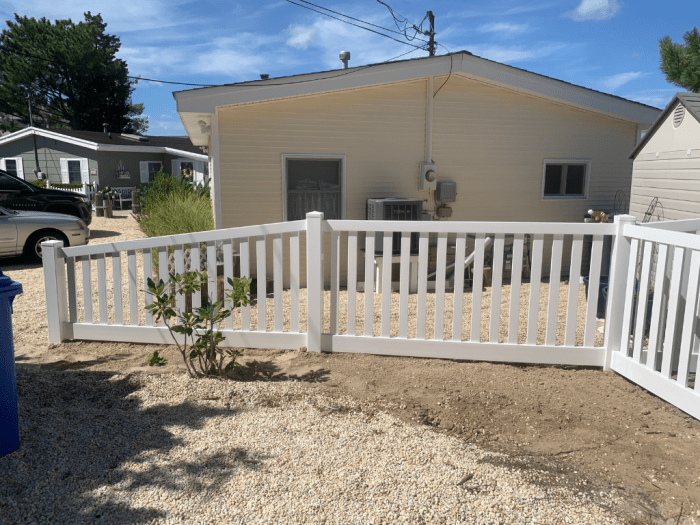
Eco-friendly fencing can be adapted to various styles, from simple privacy fences to decorative designs. The options extend to ornate and elegant designs that complement a variety of architectural styles. Privacy fences, commonly constructed from bamboo or reclaimed wood, offer a natural screen between properties. Decorative fences, using recycled plastic or composite wood, provide aesthetic enhancement and visual interest. The choice of style depends on the homeowner’s preference and the desired aesthetic of the property.
Comparison Table of Eco-Friendly Fencing Materials
| Material | Strength | Durability | Cost | Maintenance |
|---|---|---|---|---|
| Bamboo | High | Moderate | Moderate | Low to Moderate |
| Recycled Plastic | High | Very High | High | Low |
| Reclaimed Wood | Variable | Moderate to High | Moderate | Moderate to High |
| Composite Wood | High | Very High | High | Low |
Installation and Maintenance of Eco-Friendly Fencing
Eco-friendly fencing offers a sustainable alternative to traditional options, reducing environmental impact while maintaining aesthetic appeal. Proper installation and ongoing maintenance are crucial for ensuring longevity and preserving the integrity of these materials. This section delves into the specific procedures for various eco-friendly fencing types.
Bamboo Fencing Installation
Bamboo fencing, known for its strength and aesthetic appeal, requires careful planning and execution. A fundamental step is properly preparing the ground. This involves leveling the area and ensuring a solid foundation for the posts. Using treated lumber for posts is recommended to enhance longevity and prevent rot. Post holes should be dug at least twice the diameter of the posts, filled with gravel for drainage, and firmly tamped. Install the posts using concrete or a suitable anchoring method. Attach the bamboo slats to the posts using appropriate fasteners, ensuring a tight and even fit. Overlapping or interlocking methods can provide additional strength. Regular checks and adjustments are important to maintain alignment and prevent sagging.
Recycled Plastic Fencing Maintenance
Recycled plastic fencing is durable and low-maintenance. Regular cleaning is essential for preserving its appearance. A mild detergent solution and a soft-bristled brush can effectively remove dirt and debris. For tougher stains, consider using a pressure washer on a low setting, taking care not to damage the fencing. Minor repairs, such as replacing broken or damaged sections, can be accomplished with readily available tools and materials. It’s important to choose compatible replacement materials to maintain the fencing’s aesthetic consistency.
Reclaimed Wood Fencing Installation
Reclaimed wood fencing offers a unique character and charm. Before installation, thorough cleaning and inspection are essential. Remove any loose splinters or debris. Proper treatment is crucial for extending the life of the reclaimed wood. A preservative treatment, such as pressure-treating, is highly recommended to protect against rot, insects, and decay. Seal the wood with a suitable sealant or finish to enhance its appearance and further prevent weathering. Precise measurements and careful alignment are important to ensure a structurally sound fence. Post holes should be deep and adequately filled with gravel.
Composite Wood Fencing Maintenance
Composite wood fencing combines the aesthetic appeal of wood with the durability of synthetic materials. Maintaining its aesthetic requires regular cleaning with mild soap and water. Avoid harsh chemicals or abrasive cleaners, which could damage the composite surface. Repairing minor damage, such as scratches or dents, can be accomplished with appropriate composite wood fillers. Periodic checks for loose or damaged components are essential to prevent future issues.
Installation and Maintenance Procedures Table
| Fencing Type | Installation Procedure | Maintenance Procedure |
|---|---|---|
| Bamboo | Level ground, install treated posts, secure slats | Regular checks for alignment, prevent sagging |
| Recycled Plastic | Prepare ground, install posts, secure panels | Mild detergent cleaning, pressure washing (low setting), repair broken sections |
| Reclaimed Wood | Clean and inspect, pressure treat, seal, install posts | Regular cleaning, apply sealant, repair minor damage |
| Composite Wood | Prepare ground, install posts, secure panels | Mild soap and water cleaning, avoid harsh chemicals, repair minor damage |
Cost and Considerations for Eco-Friendly Fencing
Eco-friendly fencing offers a sustainable alternative to traditional options, but understanding the associated costs is crucial for making an informed decision. Factors such as material sourcing, manufacturing processes, and installation play a role in determining the overall expense. Careful consideration of long-term savings and potential incentives can help offset initial costs.
Comparing Costs of Eco-Friendly and Traditional Fencing
Different materials used in eco-friendly fencing have varying costs compared to traditional options. Recycled materials, like reclaimed wood or metal, may be more expensive initially due to sourcing and processing, but can potentially offer long-term savings. The cost of sustainably harvested wood, though, might be comparable or even slightly lower than traditional lumber, depending on the specific species and location. Installation costs can also differ, depending on the complexity of the project and the expertise of the installer.
Long-Term Cost Savings
Eco-friendly fencing can yield significant long-term cost savings. The use of durable, weather-resistant materials like bamboo or recycled plastic reduces the need for frequent repairs and replacements, thus lowering maintenance costs over time. Furthermore, reduced environmental impact from manufacturing and waste management can translate into potential savings in the long run. For instance, a properly installed bamboo fence can last for decades with minimal maintenance, offering substantial savings compared to the frequent repainting or replacement required by traditional wooden fences.
Tax Incentives and Rebates, Eco friendly fencing
Various local and national programs offer tax incentives and rebates for homeowners who choose eco-friendly building materials. These programs often recognize the environmental benefits of using recycled or sustainably sourced materials. Researching available incentives in your area can help offset the upfront cost and further encourage the adoption of sustainable fencing practices. For example, some states offer rebates for using reclaimed wood, while others may offer tax credits for projects that incorporate renewable energy sources.
Factors to Consider When Choosing Eco-Friendly Fencing
Several factors need careful consideration when selecting eco-friendly fencing. Aesthetic appeal remains a significant factor for many homeowners, and eco-friendly options offer a wide variety of styles and designs. Durability is essential, as the fencing should withstand the elements and maintain its appearance over time. The material’s resistance to weathering, rot, and insect damage plays a key role in the longevity of the fence. Maintenance requirements should also be considered, as some eco-friendly materials may require less upkeep than others.
Budget Examples for Eco-Friendly Fencing Projects
The cost of an eco-friendly fencing project varies considerably based on factors like the chosen material, the size of the project, and the complexity of the installation. A simple bamboo fence for a small yard could range from $2,000 to $4,000, while a more elaborate composite fence for a larger property could exceed $10,000. Detailed quotes from fencing contractors are essential for accurate budget estimations.
Cost Comparison Table
| Fencing Material | Initial Cost (per linear foot) – Estimate | Installation Cost (per linear foot) – Estimate | Total Estimated Cost (per linear foot) | Maintenance Cost (per year) – Estimate | Environmental Impact |
|---|---|---|---|---|---|
| Reclaimed Wood | $15 – $30 | $10 – $20 | $25 – $50 | $5 – $15 | Low to Medium |
| Bamboo | $10 – $25 | $8 – $15 | $18 – $40 | $2 – $5 | Medium |
| Recycled Plastic | $20 – $40 | $12 – $25 | $32 – $65 | $3 – $8 | High |
| Pressure-Treated Lumber | $10 – $20 | $8 – $15 | $18 – $35 | $10 – $20 | Medium-High |
Note: Prices are estimates and can vary based on location, specific materials, and labor costs.
Design and Aesthetics of Eco-Friendly Fencing
Source: lawnstarter.com
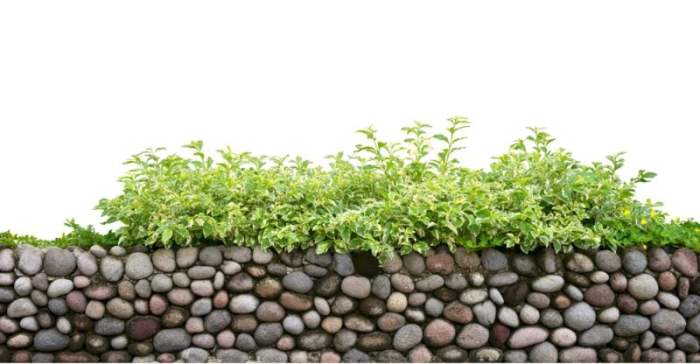
Eco-friendly fencing offers a unique opportunity to enhance your property’s aesthetic appeal while minimizing your environmental impact. By carefully considering design elements and material choices, you can create a visually stunning and sustainable fence that seamlessly integrates with your landscaping. This approach goes beyond mere functionality, allowing you to express your personal style and contribute to a greener environment.
Integrating eco-friendly materials into your fence design often results in a unique aesthetic. The natural textures and tones of these materials, such as reclaimed wood or bamboo, can add a warm, rustic charm to any property. Furthermore, the conscious choice of eco-friendly materials often translates into a visually appealing design that reflects a commitment to sustainability.
Modern Fence Designs with Eco-Friendly Materials
Various modern fence designs effectively utilize eco-friendly materials. Reclaimed wood, for example, showcases the natural beauty of aged timber, creating a rustic yet sophisticated look. Bamboo fencing offers a unique, vertical aesthetic with a natural, light-toned palette. Recycled plastic fencing provides a contemporary alternative, often with vibrant colors and modern shapes. The design possibilities are vast and can be tailored to complement any architectural style.
Integrating Eco-Friendly Fencing into Landscaping Styles
Choosing the right eco-friendly fencing to complement your landscaping style is crucial for a harmonious aesthetic. A rustic-style landscape might benefit from reclaimed wood fencing, while a contemporary garden might be enhanced by recycled plastic or bamboo. Consider the existing color palette, texture, and overall design of your landscaping when selecting the fencing material. For example, a garden with abundant greenery would likely benefit from the natural tones of bamboo or reclaimed wood. A modern, minimalist landscape might find recycled plastic or metal a better match.
Matching Eco-Friendly Fencing to Architectural Style
The architectural style of your home plays a significant role in the selection of eco-friendly fencing. A craftsman-style home, with its exposed beams and natural wood details, would likely be enhanced by reclaimed wood fencing. Conversely, a contemporary home with clean lines and geometric shapes could be complemented by sleek recycled plastic or modern bamboo fencing. Consider the scale and proportions of your home when selecting the fencing material and design to maintain visual harmony.
Aesthetic Possibilities of Different Eco-Friendly Materials
Eco-friendly fencing materials offer diverse aesthetic possibilities. Reclaimed wood, with its unique grain patterns and varying shades of brown and grey, provides a warm, rustic, and timeless look. Bamboo, with its vertical striations and light tones, creates a visually appealing, natural aesthetic. Recycled plastic fencing offers a range of colors and modern shapes, allowing for more contemporary designs.
Design Ideas for Eco-Friendly Fencing
| Design Idea | Visual Appeal | Material Choices |
|---|---|---|
| Rustic Charm | Warm, natural tones, unique textures | Reclaimed wood, weathered bamboo |
| Contemporary Elegance | Sleek lines, vibrant colors | Recycled plastic, metal with eco-friendly finish |
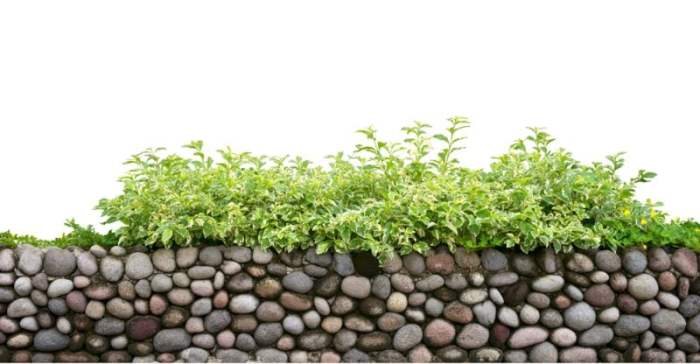
| Natural Beauty | Harmonious with surrounding landscaping | Bamboo, natural stone, partially treated wood |
| Modern Minimalism | Clean lines, uncluttered look | Recycled plastic, metal with eco-friendly finish |
“Modern fencing designs incorporating eco-friendly materials can range from the rustic charm of reclaimed wood to the sleek elegance of recycled plastic. Bamboo fencing offers a unique, natural aesthetic that blends seamlessly with contemporary landscaping styles.”
Environmental Impact and Sustainability
Eco-friendly fencing prioritizes minimal environmental impact throughout its lifecycle, from material sourcing to disposal. This approach considers the broader ecological footprint, encompassing factors like carbon emissions, biodiversity effects, and resource depletion. Sustainable fencing choices contribute to a more responsible construction industry, reducing its overall environmental burden.
Lifecycle assessments of fencing materials reveal the environmental cost from extraction to manufacturing, installation, and eventual disposal. Understanding the carbon footprint of various options empowers informed decisions. The impact of fencing on local biodiversity and ecosystems is significant, and eco-friendly choices aim to minimize negative consequences.
Lifecycle Assessment of Eco-Friendly Fencing Materials
The lifecycle assessment (LCA) of fencing materials evaluates their environmental impact across their entire existence. LCA methodologies consider resource consumption, energy use, emissions, and waste generation at each stage, from raw material extraction to product disposal. This holistic approach helps identify the most sustainable materials and practices. For example, the extraction of wood for traditional fencing involves deforestation and habitat loss. Sustainable forestry practices and responsibly sourced wood minimize these negative impacts. Recycling and repurposing materials can further reduce the environmental footprint.
Carbon Footprint of Various Fencing Options
The carbon footprint of fencing materials varies significantly depending on the material and manufacturing process. Wood, for instance, sequesters carbon during growth, offering a lower carbon footprint than materials like metal, which often rely on energy-intensive production processes. Manufacturing processes for plastic fencing can be high in emissions. The carbon footprint is further influenced by transportation and installation methods. Ultimately, choosing eco-friendly fencing involves evaluating the entire lifecycle of the material.
Impact on Biodiversity and Local Ecosystems
Eco-friendly fencing designs and materials can positively impact local ecosystems. Using native plants or integrating natural elements can enhance biodiversity by providing habitat and food sources for local wildlife. Proper installation techniques, minimizing habitat disruption, are crucial. In contrast, certain fencing materials, like certain plastics, can release harmful pollutants into the soil or water. Furthermore, the materials and techniques used for installation have a direct impact on the local ecosystems, and it’s important to consider them.
Role in Promoting Sustainable Practices
Eco-friendly fencing promotes sustainable practices in the construction industry by reducing reliance on non-renewable resources and minimizing environmental damage. Choosing recycled or renewable materials reduces the demand for virgin resources. This shift towards sustainable materials encourages responsible sourcing and manufacturing processes. The implementation of eco-friendly fencing practices promotes the long-term health of the environment.
Carbon Footprint Comparison Table
| Fencing Material | Extraction/Production | Transportation | Installation | Disposal | Overall Carbon Footprint (Estimated) |
|---|---|---|---|---|---|
| Wood (Sustainable Forestry) | Low | Medium | Low | Medium | Moderate |
| Metal (Recycled Steel) | Medium | High | Low | High (if not recycled) | High |
| Plastic | High | Medium | Low | Very High (non-recyclable) | Very High |
| Bamboo | Low | Medium | Low | Medium | Low |
Note: Estimated carbon footprints vary based on specific manufacturing processes, transportation distances, and disposal methods. The table provides a general comparison.
End of Discussion
In conclusion, eco-friendly fencing provides a compelling pathway toward sustainable landscaping. By considering the environmental impact of various materials, installation methods, and long-term maintenance, homeowners can create beautiful and responsible outdoor spaces. This guide has highlighted the many choices available and how each material fits into a sustainable design strategy, from the initial cost considerations to the final aesthetic appeal.