How to Clean Mildew from Vinyl Fence
How to clean mildew from vinyl fence is a common concern for homeowners with vinyl fences. Vinyl, while durable, can become unsightly when mildew takes hold. Understanding the causes and the right cleaning methods is crucial for maintaining a beautiful and healthy fence. This guide provides a comprehensive approach, covering everything from identifying the types of vinyl most susceptible to mildew to effective cleaning solutions and preventive strategies.
This guide delves into the specifics of mildew on vinyl fences, addressing the different types of vinyl and their susceptibility, essential cleaning supplies, various cleaning methods, and preventative measures to keep your fence looking its best for years to come. We’ll also explore troubleshooting common issues, such as stubborn stains and discoloration, ensuring a smooth and successful cleaning process.
Introduction to Mildew on Vinyl Fences
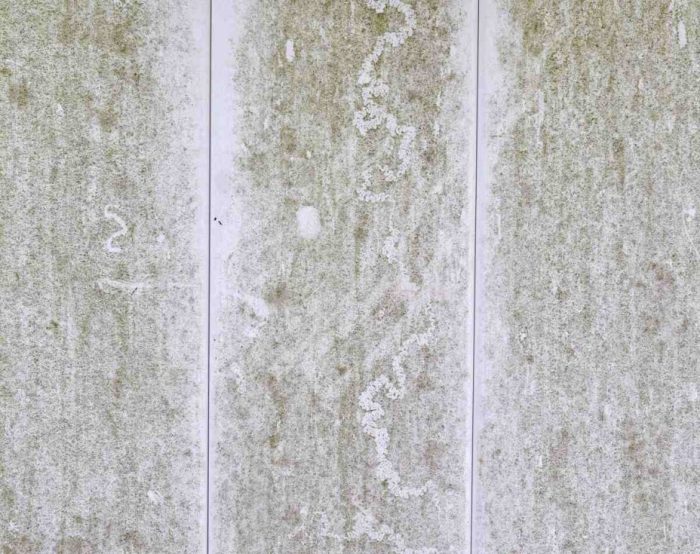
Mildew, a type of fungus, appears on vinyl fences as a fuzzy, often grayish-white or greenish-yellow coating. Its presence can diminish the aesthetic appeal of the fence and, in some cases, potentially affect the fence’s structural integrity over time. Understanding the causes and the importance of regular cleaning is key to maintaining a healthy and attractive vinyl fence.
Mildew growth on vinyl fences is frequently triggered by a combination of factors. High humidity levels and prolonged periods of moisture accumulation on the surface of the vinyl are common culprits. Poor air circulation around the fence, particularly in shaded or enclosed areas, can also contribute to the problem. Additionally, organic debris accumulating on the fence can provide a breeding ground for mildew.
While mildew itself is not inherently dangerous, its presence can sometimes lead to structural issues. Prolonged exposure to moisture, often facilitated by mildew, can degrade the vinyl over time, leading to weakened or discolored areas. This, in turn, can potentially compromise the fence’s longevity and its ability to withstand its intended function. The aesthetic impact of mildew is also important. A dirty, mildewed fence negatively impacts the overall curb appeal of a property.
Regular cleaning of mildew is crucial for maintaining the aesthetic and structural integrity of a vinyl fence. Removing mildew prevents the potential degradation of the vinyl, which can extend the life of the fence. Furthermore, a clean fence contributes to a more attractive and well-maintained property.
Susceptibility of Vinyl Fence Types to Mildew
The susceptibility of different vinyl fence types to mildew varies. The design and material properties of the fence play a significant role in how prone it is to mildew growth. This is often influenced by factors such as the surface area and texture. Understanding these differences allows homeowners to proactively address potential issues.
| Fence Type | Susceptibility to Mildew | Reasons |
|---|---|---|
| Smooth Vinyl | High | Smooth surfaces offer a larger surface area for mildew to grow and accumulate moisture. |
| Textured Vinyl | Medium | While textured surfaces can help deflect some water, the textured areas can trap moisture and provide areas for mildew to flourish. |
Necessary Supplies for Cleaning
Removing mildew from a vinyl fence requires careful consideration of the materials used. Improper cleaning can lead to damage or discoloration of the vinyl, nullifying your efforts. Choosing the right supplies and following safe practices is crucial for a successful and lasting result.
Effective mildew removal hinges on the selection of appropriate cleaning agents and tools. The cleaning process should be safe for the vinyl while also effectively eliminating the mildew. This section Artikels the necessary supplies, safety precautions, and recommended cleaning tools, along with a comparison of cleaning solutions.
Cleaning Supplies
Proper cleaning supplies are essential for successful mildew removal. A comprehensive kit includes materials for both cleaning and protection. A variety of tools are available, each offering unique advantages in tackling mildew.
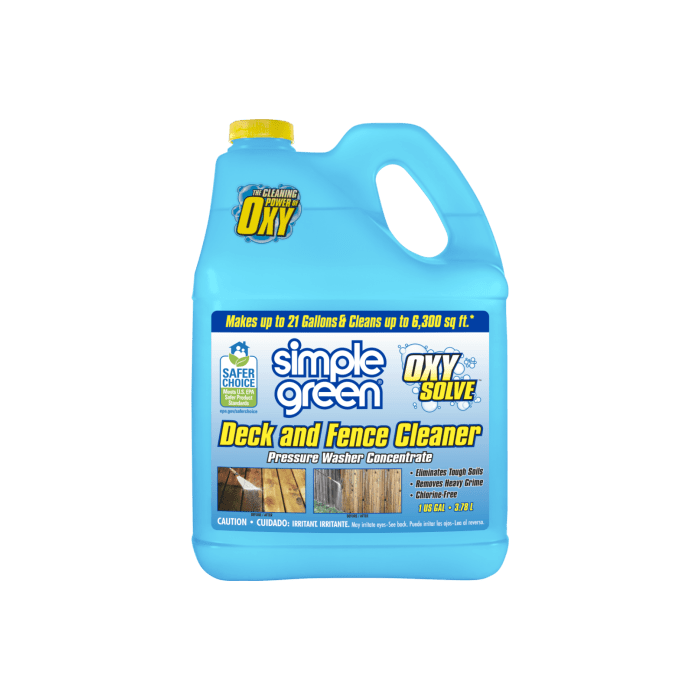
- Vinyl-Safe Cleaning Solution: A crucial element for safe cleaning is a solution designed for vinyl. This protects the material from damage while effectively removing the mildew. Examples include specialized vinyl cleaners, diluted vinegar solutions, or a combination of baking soda and water. Avoid harsh chemicals like bleach or abrasive scrubbers, which can damage the vinyl.
- Cleaning Tools: Tools for application and scrubbing are essential. A soft-bristled brush or sponge is ideal for delicate vinyl surfaces. A garden sprayer or a bucket with a watering can is suitable for applying the cleaning solution. Consider a scrub brush for tough mildew buildup, but use it gently to avoid scratching the vinyl. Avoid harsh or abrasive materials that could damage the surface.
- Protective Gear: Safety should be paramount. Wear gloves to protect your hands from harsh chemicals and eye protection to prevent splashes. A mask or respirator is recommended to prevent inhaling harmful fumes from cleaning solutions.
- Water Source: A reliable water source is vital for rinsing the cleaning solution. This could be a garden hose, bucket, or a water supply. Proper rinsing removes all traces of the cleaning solution, preventing residue buildup and potential damage to the vinyl.
- Drying Tools: For optimal results, a clean towel or soft cloth is essential for drying the vinyl after cleaning. Allowing the fence to dry completely prevents mildew from returning quickly.
Safety Precautions
Safety is paramount when cleaning vinyl. Following precautions safeguards both your health and the integrity of your vinyl fence.
- Chemical Handling: Always handle cleaning solutions with care, following the instructions on the product label. Always wear gloves and eye protection when using any cleaning solution.
- Vinyl Compatibility: Ensure that any cleaning solution you use is compatible with vinyl. Using incompatible products can lead to damage and discoloration.
- Testing in a Hidden Area: Before applying a cleaning solution to the entire fence, test it in an inconspicuous area. This allows you to observe the reaction of the vinyl to the cleaning solution before applying it to the entire fence.
- Ventilation: Adequate ventilation is critical when working with cleaning solutions. Open windows or use a fan to disperse any fumes.
- Avoid Over-Saturating: Avoid over-soaking the vinyl, as this can lead to potential damage. Apply cleaning solution as needed, and rinse thoroughly after each application.
Cleaning Solution Comparison
Different cleaning solutions offer varying levels of effectiveness and potential risks. The best choice depends on the severity of the mildew and the type of vinyl.
| Solution | Effectiveness | Potential Risks |
|---|---|---|
| Bleach Solution | High | Can damage vinyl if used improperly; can cause skin and eye irritation |
| Vinegar Solution | Moderate | Less harsh than bleach, but may not be as effective for heavy mildew; can be irritating to skin and eyes |
Note: Always test cleaning solutions in an inconspicuous area before applying them to the entire fence.
Cleaning Methods and Procedures: How To Clean Mildew From Vinyl Fence
Proper cleaning methods are crucial for effectively removing mildew from vinyl fences without causing damage. Choosing the right approach depends on the severity of the mildew, the size of the fence, and your personal preferences. A thorough understanding of each method, including pressure washing, will ensure a clean and lasting result.
Different cleaning methods offer varying levels of effectiveness and efficiency. Some methods are gentler, while others are faster. Careful consideration of the pros and cons of each method will help you select the most suitable approach for your specific vinyl fence.
Soft Scrubbing
Soft scrubbing is a gentler approach, ideal for smaller areas or for fences with intricate details that might be susceptible to damage from high-pressure cleaning. It’s a good option for initial cleaning attempts or when pressure washing is not an option.
Using a soft-bristled brush or sponge, apply a cleaning solution directly to the affected areas. Gently scrub the mildew, working in small sections. Avoid harsh scrubbing, which can potentially scratch the vinyl surface. The solution should be applied evenly and worked into the surface with a light touch.
Pressure Washing
Pressure washing is a more efficient method for larger areas or heavily mildewed fences. However, it requires careful consideration to avoid damaging the vinyl. Improper pressure settings can lead to scratches or discoloration.
A pressure washer with a nozzle designed for cleaning is recommended. Start with a lower pressure setting, and gradually increase it if needed. Inspect the vinyl’s reaction to the pressure. Observe for any signs of damage, such as scratches or discoloration, and adjust the pressure accordingly. Always test in an inconspicuous area first.
The choice of pressure setting significantly impacts the effectiveness and safety of the cleaning process. High-pressure settings can remove mildew effectively, but they also risk damaging the vinyl’s surface. Lower pressure settings might take longer but are less likely to cause harm. Using a lower pressure setting initially, and gradually increasing it if necessary, is recommended.
Protecting Surrounding Plants and Landscaping
Protecting surrounding plants and landscaping is crucial when cleaning vinyl fences. High-pressure water jets can damage nearby plants, and chemicals in cleaning solutions can also be harmful. Take precautions to shield plants from the spray or use a protective covering around them.
Covering or shielding nearby plants and landscaping from the cleaning solution and high-pressure water jets is essential. Use protective coverings like tarps or sheets to shield vulnerable plants. This will prevent damage and ensure the health of your surrounding environment.
Cleaning Method Comparison
| Method | Pros | Cons |
|---|---|---|
| Soft Scrubbing | Gentle on vinyl, suitable for intricate details | Time-consuming, less effective for large areas or heavy mildew |
| Pressure Washing | Fast, effective for large areas and heavy mildew | Requires caution to avoid damage, potential for harming plants and landscaping |
Prevention Strategies for Future Mildew Growth
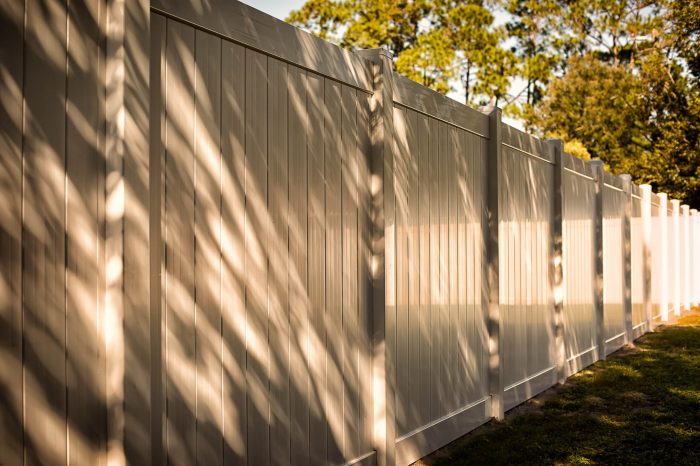
Source: fenceauthority.com
Preventing mildew on your vinyl fence involves a proactive approach that goes beyond just cleaning. Understanding the conditions that encourage mildew growth is key to keeping your fence looking its best and extending its lifespan. By focusing on consistent maintenance and optimizing the environment around your fence, you can significantly reduce the likelihood of future mildew problems.
Maintaining a healthy vinyl fence is a continuous process, much like maintaining a healthy lawn. Regular care prevents the buildup of moisture and debris, which are the primary culprits behind mildew growth. A well-maintained fence not only looks better but also resists damage from the elements, including mildew.
Importance of Proper Maintenance
Regular maintenance is crucial in preventing mildew. This includes routine cleaning and addressing potential issues before they escalate. Neglecting routine maintenance can lead to a buildup of grime and moisture, providing the perfect environment for mildew to thrive. Proactive maintenance is always more cost-effective than extensive repairs later on.
Regular Cleaning Schedules
Establishing a regular cleaning schedule is essential. A schedule that suits your climate and usage patterns will be most effective. In areas with high humidity or frequent rainfall, a bi-monthly or monthly cleaning schedule might be necessary. Areas with drier climates might only need quarterly cleanings. A consistent schedule ensures that mildew doesn’t have the chance to establish itself.
Improving Air Circulation Around the Fence
Adequate air circulation helps to dry the fence quickly after rainfall or watering. This reduces the moisture that encourages mildew growth. Consider the placement of shrubs and trees around the fence. Pruning or relocating vegetation to allow for better air circulation around the fence is a worthwhile investment in its longevity. Proper air circulation significantly minimizes mildew’s chance to take hold.
Optimizing Drainage Around the Fence
Proper drainage prevents water from pooling around the base of the fence. This is crucial, as standing water provides an ideal breeding ground for mildew. Inspect the area around the fence regularly for any signs of drainage problems. If needed, consider adding landscaping to divert water away from the fence or installing a small gutter system to channel water away. Effective drainage is a critical component of mildew prevention.
Addressing and Preventing Water Pooling
Addressing water pooling issues around the fence is paramount to mildew prevention. Inspect the ground around the fence regularly to identify areas where water might collect. If there are low spots or depressions, consider filling them in with soil or gravel to improve drainage. This proactive measure will prevent mildew from taking root and will significantly extend the life of your vinyl fence. Taking care of pooling issues proactively prevents costly repairs and maintenance down the line.
Actions to Avoid Future Problems
- Regularly inspect the fence for signs of mildew.
- Clean the fence at least every 2-3 months, depending on the environment.
- Ensure proper drainage around the fence.
- Address any water pooling issues promptly.
- Maintain adequate air circulation around the fence.
- Keep vegetation trimmed away from the fence to allow for better airflow.
Troubleshooting Common Problems
Removing mildew from vinyl fences can sometimes present challenges. Understanding potential issues and how to address them effectively is crucial for achieving a pristine finish. This section details common problems encountered during mildew removal, along with strategies for successful remediation.
Stubborn Mildew Stains
Persistent mildew stains often require a more aggressive approach. A more concentrated cleaning solution, such as a higher proportion of bleach-based cleaner (always dilute as directed), may be necessary. Test the solution in an inconspicuous area first to ensure it doesn’t cause discoloration. Repeated applications of the solution, followed by thorough rinsing, may be required for particularly stubborn stains. It is important to note that excessive use of strong chemicals can potentially damage the vinyl over time. Therefore, balance is key, using the minimum necessary strength for the task.
Discoloration After Cleaning, How to clean mildew from vinyl fence
Vinyl fences can sometimes exhibit discoloration after cleaning, especially if the cleaning process wasn’t adequately managed. Allowing the fence to dry completely before assessing the results is crucial. If discoloration persists, it may be indicative of a chemical reaction with the vinyl or improper rinsing. It’s advisable to consult a professional if the discoloration is significant or widespread, as there might be underlying issues needing professional attention.
Potential for Vinyl Damage During Cleaning
Abrasive scrubbing or the use of harsh chemicals can potentially damage the vinyl surface. Improper rinsing can also lead to streaks or uneven drying. Always avoid using steel wool, scouring pads, or abrasive brushes. When choosing cleaning agents, opt for specifically formulated vinyl cleaners, and follow the product instructions meticulously. Ensure thorough rinsing to prevent chemical residue from remaining on the surface.
Fixing Minor Damage to the Fence
Minor damage to the vinyl fence, such as scratches or small imperfections, can sometimes be addressed. For minor surface scratches, a touch-up kit designed for vinyl is often sufficient. Apply the touch-up paint according to the manufacturer’s instructions, ensuring a smooth and even finish. If the damage is more extensive, professional repair services might be required. It is important to assess the severity of the damage before attempting repairs.
Troubleshooting Tips
| Problem | Solution |
|---|---|
| Stubborn Stains | Use a more concentrated cleaning solution, but test in an inconspicuous area first. Consider multiple applications, followed by thorough rinsing. |
| Discoloration | Ensure the fence dries completely before assessing the results. If discoloration persists, consult a professional. |
End of Discussion
In conclusion, maintaining a mildew-free vinyl fence involves a combination of understanding its susceptibility, employing the right cleaning solutions and techniques, and implementing preventative strategies. By following the steps Artikeld in this guide, you can keep your vinyl fence looking pristine and protect it from future mildew growth. Remember that consistent maintenance is key to long-term fence health and aesthetic appeal. Proper care ensures your vinyl fence stands the test of time.