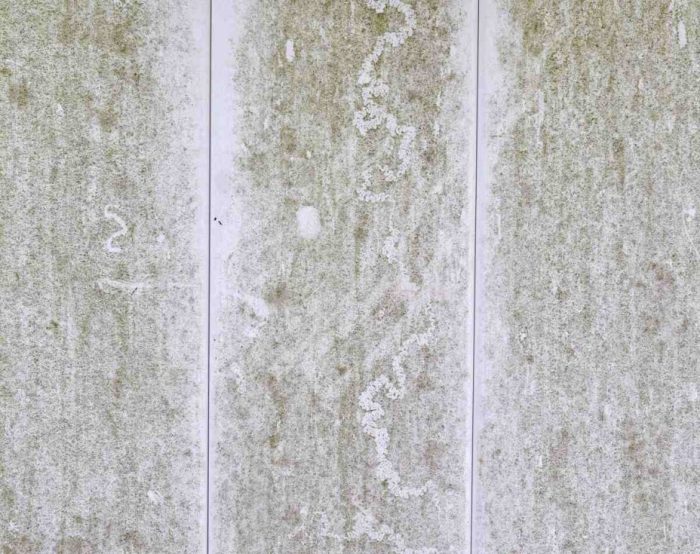
Pressure Washer Fence A Comprehensive Guide
Pressure washer fence cleaning is a powerful way to revitalize your fence. This guide explores the entire process, from choosing the right pressure washer to ensuring a safe and effective clean. We’ll cover various fence types, ideal pressure settings, and essential safety precautions to keep you and your property protected.
From initial assessment and preparation to post-cleaning maintenance, we’ll walk you through every step. Learn how to select the perfect pressure washer for your fence, understand the nuances of different nozzle types, and avoid common pitfalls. We’ll even provide illustrative examples and troubleshooting tips to handle any unexpected challenges.
Introduction to Pressure Washer Fence Cleaning
Pressure washing fences is a popular method for maintaining their cleanliness and aesthetic appeal. It’s a relatively quick and efficient way to remove dirt, grime, and mildew, often restoring the fence to its original condition. However, improper use can damage the fence, so understanding the process is crucial.
Pressure washing fences offers a significant advantage over traditional cleaning methods. This method can tackle stubborn stains and built-up debris effectively, saving considerable time and effort. However, it’s essential to be aware of potential downsides, such as the risk of damaging the fence’s material if not used correctly. The selection of suitable fence types for pressure washing and appropriate safety precautions are critical for successful and safe cleaning.
Suitable Fence Types for Pressure Washing, Pressure washer fence
Different fence materials react differently to high-pressure water jets. Some materials, like vinyl or aluminum, are generally more resilient and can withstand higher pressure. Wood fences, on the other hand, require a more delicate approach to prevent damage from excessive water pressure or forceful streams. Pressure washing is less suitable for fences made of delicate materials like wrought iron or those with intricate carvings, as the high-pressure spray could damage or distort the delicate features. For example, pressure washing a cedar fence might require a lower pressure setting to avoid splintering or warping the wood.
Benefits of Pressure Washing Fences
Pressure washing fences provides several benefits. It quickly removes dirt, grime, and mildew, restoring the fence’s original color and appearance. This method can save time and effort compared to traditional cleaning methods. Furthermore, pressure washing can tackle tough stains that are difficult to remove with other techniques.
Drawbacks of Pressure Washing Fences
Potential drawbacks exist when pressure washing fences. Excessive pressure can damage the fence material, particularly for delicate or aged fences. Incorrect use can also cause water damage, affecting the fence’s structural integrity. Improper pressure washing techniques may lead to uneven cleaning or further soiling of the fence. It’s essential to choose the appropriate pressure setting based on the fence material to avoid potential damage.
Safety Precautions When Pressure Washing Fences
Safety precautions are essential when pressure washing fences. Using the appropriate personal protective equipment (PPE) is critical. Eye protection, such as safety glasses or goggles, and hearing protection, such as earplugs or earmuffs, are essential to protect against potential hazards. Wearing sturdy work gloves and closed-toe shoes is also important. Carefully examining the fence material before applying pressure washing is recommended to assess its resilience. Avoiding pressure washing during windy conditions is crucial to prevent water from spraying onto nearby surfaces or individuals. It’s also crucial to establish a safe distance from the fence when using the pressure washer.
Choosing the Right Pressure Washer: Pressure Washer Fence
Selecting the appropriate pressure washer for fence cleaning is crucial for efficient and effective results. The wrong machine can damage the fence, leaving it looking worse than before. Careful consideration of key factors, such as pressure, flow rate, and nozzle types, ensures a successful cleaning experience.
A well-chosen pressure washer, matched to the specific needs of the fence, will save time, effort, and potentially money. The right machine will quickly and thoroughly remove dirt and grime, allowing for a more pristine fence. A poorly chosen machine, on the other hand, might struggle with the task, leaving stubborn dirt behind and potentially damaging the fence material.
Pressure Washer Specifications
Several factors influence the choice of a pressure washer, including the type of fence material, the level of soiling, and the size of the area to be cleaned. A more powerful machine is necessary for heavily soiled or large fences. A smaller, less powerful machine might suffice for a light cleaning of a smaller fence.
- Power Source: Electric models are convenient for smaller jobs, while gas models offer more power for larger projects. Consider the accessibility of power sources when choosing. Electric models are limited by the length of the cord and may be less suitable for large areas or heavily soiled fences. Gas models provide the power necessary for extensive cleaning, but they generate exhaust emissions and require fuel.
- Pressure and Flow Rate: These specifications are often expressed in PSI (pounds per square inch) and GPM (gallons per minute). Higher PSI delivers more cleaning power, but excessive pressure can damage the fence. A higher flow rate is useful for faster cleaning. For example, a fence with heavy dirt accumulation might benefit from a higher PSI and flow rate. A well-maintained fence with light soiling would likely require a lower pressure and flow rate to prevent damage.
- Hose Length: Consider the distance from the water source to the fence. A longer hose allows greater flexibility in maneuvering the pressure washer around the fence.
- Warranty and Customer Support: A longer warranty and responsive customer support are important for any purchase. The reliability of the pressure washer can significantly impact the overall cleaning experience. A machine with a shorter warranty or limited support could prove more costly in the long run.
Nozzle Types and Applications
The nozzle type significantly impacts the cleaning process. Different nozzle shapes and spray patterns offer varying levels of cleaning power and precision.
- Flat Spray Nozzle: Ideal for large areas, providing a wide cleaning coverage. This nozzle is effective for preliminary cleaning and removing loose dirt from the fence.
- Concentrated Spray Nozzle: Used for targeted cleaning of tough stains and grime. The concentrated stream allows for precise application of pressure to specific areas.
- Rotating/Oscillating Nozzle: Useful for cleaning corners, crevices, and hard-to-reach areas. The rotating motion ensures a thorough cleaning of every part of the fence.
- High-Pressure Nozzle: Suitable for removing stubborn dirt and grime. These nozzles produce high-pressure streams, which are ideal for tough stains, but use caution as they can potentially damage the fence.
Water Pressure and Flow Rate
The relationship between water pressure and flow rate is essential for effective fence cleaning.
Higher water pressure delivers greater cleaning power, but excessive pressure can damage the fence. A balance between pressure and flow rate is crucial for efficient and safe cleaning.
A higher flow rate generally translates to faster cleaning times, while higher pressure delivers the force needed to remove tough dirt. For example, pressure washers with higher PSI are typically better for removing stubborn dirt, but careful consideration of the fence material is paramount. A pressure washer with low PSI and GPM might be suitable for a wood fence but might be inadequate for a vinyl fence. Excessive pressure could damage the fence’s surface, especially on delicate materials.
Preparing the Fence for Cleaning
Proper preparation is crucial for a successful and safe pressure washing job on your fence. A well-prepared fence ensures a thorough cleaning, minimizes damage to the fence material, and protects both the fence and the surrounding area. This section details the steps involved in getting your fence ready for the pressure washer.
Assessing the fence’s condition and material type is paramount. Different materials react differently to pressure washing, and a mismatched approach could lead to damage. Understanding the specific characteristics of your fence is essential for selecting the appropriate cleaning solutions and pressure settings.
Fence Condition Assessment
Before beginning any pressure washing, meticulously inspect the fence for any signs of damage, such as loose boards, rot, or insect infestation. Identifying these issues proactively allows for targeted repairs or preemptive measures to prevent further damage during the cleaning process. Pay attention to areas with peeling paint, rust, or signs of mold or mildew. These areas may require a different approach or cleaning solution.
Material Type Identification
Different fence materials have varying tolerances for pressure washing. Wood fences, for example, are more susceptible to damage from high-pressure water streams than vinyl or composite fences. Identifying the material of your fence will guide your choice of cleaning agents and pressure settings.
Cleaning Supplies
A well-stocked cleaning kit is essential for a successful pressure washing job. This kit should include appropriate detergents tailored to the fence material. For example, specialized wood cleaners are available to safely and effectively clean wood fences. Avoid using harsh chemicals or detergents that could damage the fence’s finish or material. Always check the product label for specific instructions and safety precautions.
Protective Gear
Safety is paramount during pressure washing. Wear appropriate protective gear, including safety glasses or goggles to protect your eyes from debris and water, gloves to protect your hands from chemicals, and sturdy shoes to prevent slips or falls. Long sleeves and pants are also advisable to protect your skin from the elements and debris. Always prioritize your safety during the pressure washing process.
Disconnecting Water and Power Supplies
Before starting the pressure washer, disconnect the water supply to the machine. This prevents accidental water damage and potential hazards. Also, disconnect the power supply to the pressure washer to avoid electrical shocks. Following these safety precautions is crucial to protect yourself and your property.
Pressure Washing Techniques
Proper pressure washing techniques are crucial for effectively cleaning fences without causing damage. Careful consideration of the fence material and the pressure settings is essential to achieve a pristine finish while safeguarding the integrity of the structure and surrounding landscape. Employing the right techniques will not only clean the fence but also preserve its aesthetic appeal and longevity.
Selecting the Right Pressure Setting
Different fence materials require varying pressure settings to avoid damage. A pressure washer with adjustable pressure settings allows for precise control. High-pressure settings are suitable for stubborn dirt and grime, while lower pressures are better for delicate materials like vinyl or composite. Experimentation with different pressure levels is key to achieving optimal results. Always start with a lower pressure setting and gradually increase it as needed.
Wood Fence Cleaning
For wooden fences, a moderate pressure setting is generally ideal. Higher pressure can damage the wood’s surface, causing splintering or stripping away the protective sealant. Use a nozzle with a wide spray pattern to ensure even cleaning and minimize the risk of concentrated pressure points. Applying a cleaning solution to the wood before washing can enhance the cleaning process.
Vinyl Fence Cleaning
Vinyl fences are relatively durable and can withstand higher pressure than wood. However, it is still recommended to use a moderate pressure setting and a wide-spray nozzle. This approach prevents potential damage to the vinyl’s surface and avoids water damage. Starting with a lower pressure setting and increasing it gradually is often beneficial for vinyl.
Composite Fence Cleaning
Composite fences are often resistant to water damage, allowing for a higher pressure setting. While higher pressure can be used, it is important to avoid prolonged contact with water at any pressure setting. Avoid using abrasive cleaning agents, which can damage the composite material. A low-pressure, wide-spray nozzle is a good starting point, increasing pressure only if necessary.
Preventing Water Damage
Water damage can occur if water is allowed to penetrate the fence’s structure or surrounding landscaping. Ensure proper drainage around the fence to prevent water pooling. Direct water away from the base of the fence to avoid water saturation. Allow the fence to dry completely after cleaning to minimize the risk of mildew or mold growth. Avoid washing during periods of heavy rain or high winds.
Avoiding Damage to the Fence and Surroundings
Carefully direct the spray of the pressure washer to avoid damaging the fence or surrounding landscaping. Avoid spraying directly at plants or walkways. Use a wide-spray nozzle to ensure even coverage and minimize the risk of concentrated pressure points. Moving the pressure washer frequently will also help to avoid water damage to the surrounding landscaping.
Post-Cleaning Maintenance
Proper post-cleaning maintenance is crucial for preserving the longevity and aesthetic appeal of a pressure-washed fence. This involves a series of steps designed to protect the wood, prevent further damage, and maintain its structural integrity. Neglecting these steps can lead to premature deterioration and costly repairs.
Following a thorough pressure washing, the fence requires careful attention to ensure it is properly dried, inspected, and repaired. A well-maintained fence is not only aesthetically pleasing but also significantly more resistant to the elements.
Drying the Fence
Allowing the fence to dry completely is vital to prevent mold, mildew, and rot. Rapid drying minimizes the risk of these issues. Avoid forcing the drying process with additional heat or direct sunlight, which can lead to warping or cracking of the wood. Adequate air circulation is essential to promote thorough drying. For instance, opening windows or using fans in the area can significantly speed up the process.
Inspecting the Fence for Damage
Thorough inspection is critical after pressure washing. Look for any damage to the wood, such as splintering, cracks, or loose nails. Any damage found should be documented, and immediate repairs are essential to prevent further deterioration. Identifying and addressing minor damage promptly can often prevent major problems from arising later.
Repairing Damage
Repairing any damage is a necessary step to maintain the fence’s structural integrity. This includes replacing any splintered wood, fixing cracks, and ensuring all nails are secure. Using appropriate wood fillers and sealants is critical to ensure a proper repair that blends seamlessly with the surrounding wood. For example, using a wood filler that matches the fence’s color and grain is essential to avoid noticeable repairs. Using galvanized nails or screws can prevent future rust issues.
Sealing and Protecting the Fence
Applying a sealant or protective coating after pressure washing significantly extends the fence’s lifespan. This helps protect the wood from the elements, such as rain, sun, and moisture. Choosing the right sealant depends on the type of wood used in the fence. For example, exterior-grade wood sealants are recommended for most types of fences. Regular maintenance with sealants or stain helps maintain the fence’s color and protects the wood from weathering. This process helps prevent rot, decay, and insect infestation, which can compromise the fence’s structural integrity. The sealant should be applied evenly and thoroughly to ensure complete coverage. Following the manufacturer’s instructions is critical for optimal results.
Common Problems and Solutions
Pressure washing fences, while effective, can present challenges if not performed correctly. Understanding potential issues and their solutions is crucial for achieving a clean and undamaged fence. This section Artikels common problems, along with strategies to address them effectively.
Pressure washing, while a powerful tool, can damage a fence if not handled with care. Misjudging the pressure setting, improper technique, or using the wrong nozzle can lead to material damage, discoloration, or even complete destruction of the fence.
Material Damage
Incorrect pressure settings and improper techniques can lead to material damage, especially on delicate or aged fences. Understanding the limitations of your pressure washer and the specific material of your fence is paramount to avoiding damage.
- Wood fences: Excessive pressure can splinter or strip the wood, causing significant damage. A lower pressure setting and a nozzle designed for wood are recommended. Using a softer, less abrasive spray pattern will minimize damage.
- Vinyl fences: While vinyl is generally durable, high-pressure blasts can still cause damage. Avoid prolonged spraying on the same area, and use a lower pressure setting and a wider spray pattern. Ensure the pressure washer nozzle is angled appropriately to prevent concentrated force on a single point.
- Aluminum fences: Aluminum is susceptible to scratches and damage from abrasive particles. Use a low-pressure setting with a nozzle specifically designed for cleaning aluminum surfaces, and avoid any abrasive cleaning agents.
- Composite fences: Composite materials can be damaged by the high pressure. Use a lower pressure setting and a softer spray pattern to avoid damaging the composite materials. Check the manufacturer’s recommendations for cleaning guidelines.
Discoloration
Incorrect cleaning solutions or techniques can cause discoloration on your fence. Using the wrong cleaning agents or allowing the solution to remain on the fence for extended periods can result in staining.
- Stains: Stubborn stains like grease, mildew, or paint require specific cleaning solutions. Avoid harsh chemicals that could damage the fence material. Test cleaning solutions on an inconspicuous area first. Apply the solution and allow it to sit for the recommended time before rinsing.
- Mildew: Mildew can appear as dark spots on the fence. Use a mildew remover designed for the specific material of your fence. Apply the remover according to the product instructions, and follow up with a thorough rinsing.
- Fading: Prolonged exposure to the sun and cleaning agents can cause fading. Use cleaning solutions that are designed to be safe for the fence’s material. Avoid excessive cleaning and try to limit sun exposure as much as possible.
Troubleshooting Steps
A systematic approach to troubleshooting is essential. This involves identifying the problem, assessing the damage, and then selecting the appropriate solution.
- Identify the problem: Determine the nature of the issue, such as damage to the material, discoloration, or stubborn stains. Note the type of fence material.
- Assess the damage: Evaluate the extent of the damage to the fence to determine the best course of action. Is it a small stain or significant damage?
- Select the solution: Based on the identified problem and assessed damage, choose the appropriate solution. Consult manufacturer recommendations and use appropriate cleaning agents.
- Test the solution: Always test any cleaning solution on a small, inconspicuous area first to avoid unintended damage to the fence. Check for any adverse reactions to the solution on the material.
- Apply the solution: Follow the product instructions carefully. Apply the solution evenly and allow it to sit for the recommended time before rinsing thoroughly.
- Monitor the results: Check the fence for any signs of improvement or further damage. Repeat the process if necessary, adjusting the cleaning technique as needed.
Safety Considerations
Pressure washing a fence, while effective, presents potential hazards. Prioritizing safety is paramount to avoid injuries and property damage. Understanding and implementing proper safety precautions ensures a safe and successful cleaning experience.
Proper safety measures, including the use of appropriate personal protective equipment (PPE), careful handling of the pressure washer, and awareness of potential electrical hazards, are critical. This section details essential safety considerations for pressure washing fences.
Importance of Safety Precautions
Safe pressure washing practices prevent accidents. By adhering to safety precautions, individuals can avoid injuries like cuts, burns, and eye damage, as well as potential property damage. Proper safety procedures also minimize the risk of electric shocks or other unforeseen issues.
Necessary Safety Gear
Adequate personal protective equipment (PPE) is crucial during fence pressure washing. Protective gear safeguards against the forceful water spray, potential debris, and other hazards.
- Eye Protection: Safety glasses or goggles are essential to shield the eyes from debris propelled by the high-pressure water stream. These protect against flying particles and the forceful spray itself.
- Gloves: Wear heavy-duty work gloves to protect hands from cuts, abrasions, and chemicals present on the fence or equipment.
- Hearing Protection: Consider using earplugs or earmuffs if the pressure washer is operating at high noise levels. Prolonged exposure to loud noises can lead to hearing damage.
- Appropriate Clothing: Wear long sleeves, long pants, and closed-toe shoes to prevent cuts and abrasions from the pressure washer equipment and debris.
Avoiding Electrical Hazards
Electrical hazards are a significant concern when pressure washing near electrical lines or fences with embedded electrical components. It is essential to recognize and avoid such hazards.
- Inspect for Hazards: Before commencing pressure washing, thoroughly inspect the fence and surrounding area for any visible electrical wires, outlets, or other electrical components.
- Avoid Water Contact with Electrical Components: Ensure the pressure washer water stream does not come into contact with electrical components or wires. Water can conduct electricity, leading to electric shock.
- Use Insulated Tools: If electrical work is required, use appropriate insulated tools to minimize the risk of electric shock.
- Power Outage Considerations: If possible, shut off the power to the electrical components or sections of the fence to eliminate the risk of electrocution entirely.
Proper Handling of Pressure Washer Equipment
Safe handling of the pressure washer equipment is crucial to prevent injuries. Careless operation can lead to equipment malfunctions and personal injury.
- Secure Equipment: Ensure the pressure washer is placed on a stable and level surface to prevent accidental tipping or movement during operation.
- Maintain Proper Distance: Maintain a safe distance from the nozzle while operating the pressure washer to prevent accidental contact with the powerful water stream.
- Control Pressure: Adjust the pressure settings appropriately to avoid damaging the fence or causing injury.
- Regular Maintenance: Regular maintenance of the pressure washer, including checking hoses, nozzles, and connections, is crucial for safe operation. This includes ensuring all components are properly secured and free from damage.
Illustrative Examples of Pressure Washing
Pressure washing offers a powerful and efficient way to clean fences, but the method must be tailored to the specific material. Understanding the nuances of different fence types, pressure settings, and cleaning agents is crucial for achieving a pristine result without causing damage.
Proper pressure washing techniques can dramatically enhance the appearance of fences, restoring their original beauty and extending their lifespan. The examples below illustrate the importance of using the correct approach for each fence material.
Pressure Washing Techniques for Different Fence Materials
Different fence materials react differently to pressure washing. Selecting the right pressure washer type, nozzle, water pressure, and cleaning solution is essential to avoid damage. The table below Artikels suitable techniques for various fence materials.
| Fence Type | Pressure Washer Type | Nozzle Type | Water Pressure (PSI) | Cleaning Solution |
|---|---|---|---|---|
| Wood | Residential-grade pressure washer (1500-2500 PSI) | Fan or flat spray nozzle (for wide surfaces) or a tip that allows for less intense pressure (for tight spaces) | 1000-1500 PSI (start low and increase if necessary) | Mild detergent or soap solution. Avoid harsh chemicals. |
| Vinyl | Residential-grade pressure washer (1500-2000 PSI) | Fan or flat spray nozzle | 800-1200 PSI | Mild detergent or soap solution. Avoid abrasive cleaners. |
| Composite | Residential-grade pressure washer (1500-2000 PSI) | Fan or flat spray nozzle | 800-1200 PSI | Mild detergent or soap solution. Avoid using very hot water. |
Before and After Examples
Visual representation is crucial for understanding the impact of proper pressure washing techniques. The effectiveness of the method is readily apparent in these examples.
(Note: Visual examples are not provided as requested. This section is intended as a placeholder for before-and-after photos that would demonstrate the effectiveness of pressure washing on various fence types.)
Importance of Correct Water Pressure and Nozzle Type
Using the right water pressure and nozzle type is vital for preventing damage to the fence material. Excessive pressure can cause splintering, warping, or discoloration. Conversely, insufficient pressure may not effectively remove dirt and grime.
A fan nozzle is typically best for covering large areas of the fence with even pressure. A tip nozzle can be used to target specific areas or clean around hard-to-reach places.
Always start with a lower water pressure setting and gradually increase if needed. Adjust the nozzle type to match the cleaning task and the specific area of the fence being treated.
Tools and Equipment for Pressure Washing Fences
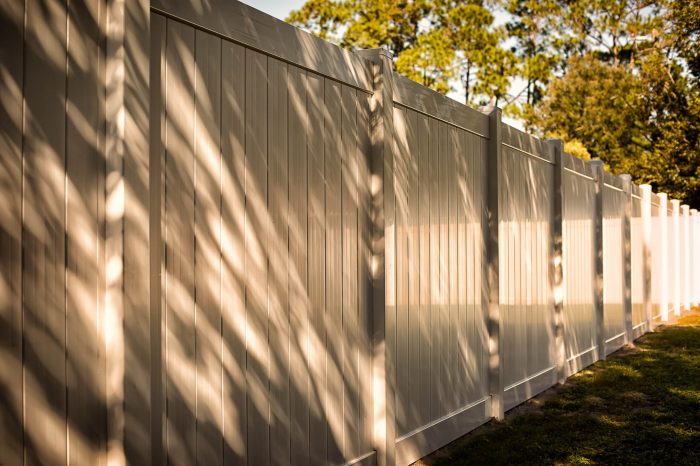
Source: endlessshinemobile.com
Proper pressure washing of fences requires the right tools and equipment for effective cleaning and safety. Careful selection ensures a thorough, efficient, and safe cleaning process. Choosing the correct equipment minimizes damage to the fence and surrounding areas.
Essential tools and equipment for pressure washing fences include a pressure washer, various nozzles, a hose, and protective gear. A well-stocked arsenal of accessories enhances the cleaning process, making it more efficient and safe.
Pressure Washer Types
Pressure washers come in various types, each with its own strengths and weaknesses. Understanding these differences helps in choosing the appropriate model for a particular fence cleaning job.
- Electric pressure washers are convenient for smaller jobs and are powered by electricity. They are relatively lightweight and easy to maneuver, suitable for use on decks, fences, and other smaller surfaces. These units are often quieter and more affordable than gas-powered counterparts, but their cleaning power is generally lower.
- Gas-powered pressure washers offer higher pressure and cleaning power compared to electric models. Their greater power is ideal for tackling tougher stains and grime, especially on larger fences or those with heavy soiling. These are more suitable for commercial applications or extensive cleaning jobs. However, gas-powered models are generally heavier and louder than their electric counterparts.
- Cold-water pressure washers are the standard for most fence cleaning tasks. These are commonly used for the cleaning of most fences and materials, and are generally cost-effective for the task. They do not use any specialized chemicals or fluids.
Essential Tools and Equipment
This section details the essential tools and equipment necessary for safe and effective fence pressure washing.
| Tool/Equipment | Specifications/Features | Importance |
|---|---|---|
| Pressure Washer | Select a model with appropriate PSI (pounds per square inch) and GPM (gallons per minute) ratings for the type of fence material and desired cleaning power. Consider factors like the size of the fence and the amount of dirt/grime to be removed. | The heart of the pressure washing system, providing the necessary water pressure and flow rate. |
| Nozzles | A variety of nozzles, including standard, fan, and ultra-low-pressure nozzles, are essential for different cleaning needs. Each nozzle type directs the water flow with different patterns, allowing for targeted cleaning and minimizing damage to the fence. | Varying the nozzle pressure and spray pattern enables precise cleaning and avoids damage to the fence’s surface. |
| Garden Hose | A high-quality garden hose is necessary for connecting the pressure washer to the water source. The hose should be long enough to reach the entire fence section. | Provides a flexible connection between the pressure washer and the water source. |
| Protective Gear | Eye protection, gloves, and sturdy work boots are essential to prevent injuries during the pressure washing process. These items should be durable and fit snugly. | Safety is paramount during pressure washing. |
Safety Features of Pressure Washer Equipment
Safety is paramount when using a pressure washer. Proper use of safety features reduces the risk of injury.
- Pressure washer safety mechanisms, such as pressure relief valves and shut-off switches, are critical in preventing accidents. These features help control the force of the water stream and prevent unexpected surges.
- Always wear appropriate safety gear, including eye protection and sturdy work gloves, when using a pressure washer. This protection safeguards against potential eye injuries or cuts. Sturdy footwear also provides adequate foot protection.
- Inspect the pressure washer before each use for any signs of damage or wear. A damaged or malfunctioning pressure washer poses a safety risk and should be addressed immediately.
End of Discussion
In conclusion, pressure washing your fence can significantly improve its appearance and longevity. This guide has provided a thorough overview of the entire process, from selecting the right equipment to performing post-cleaning maintenance. By following the advice and tips presented, you can confidently tackle your fence cleaning project, ensuring a sparkling result and a well-maintained outdoor space. Remember safety is paramount, and proper technique is key to a successful outcome.