Recycled Vinyl Fence Eco-Friendly Options
Recycled vinyl fence offers a compelling blend of environmental responsibility and aesthetic appeal. This innovative material leverages recycled content to create durable, visually appealing fencing solutions. The process not only minimizes environmental impact but also delivers lasting value, making it an attractive choice for both residential and commercial applications.
From the initial raw material sourcing to the final installation, recycled vinyl fencing demonstrates a commitment to sustainability. Various manufacturing techniques and recycling processes contribute to the overall environmental benefits, reducing reliance on virgin resources and minimizing waste. This guide explores the intricacies of recycled vinyl fencing, from its manufacturing processes to long-term cost analysis and installation considerations.
Introduction to Recycled Vinyl Fencing
Recycled vinyl fencing represents a sustainable alternative to traditional fencing materials. It leverages recycled plastics and other materials to create durable and aesthetically pleasing barriers. This approach reduces reliance on virgin resources and minimizes environmental impact. The process involves meticulous recycling and reprocessing, ensuring a high-quality product with comparable performance to conventional vinyl fencing.
Recycled vinyl fencing offers a significant advantage in terms of environmental stewardship. By utilizing recycled materials, manufacturers reduce the demand for new plastic production, thereby lowering greenhouse gas emissions and conserving natural resources. This sustainable approach helps mitigate the environmental footprint of fence installation.
Types of Recycled Vinyl Fencing
Recycled vinyl fencing encompasses a variety of materials and construction methods. Common types include composite fencing, which blends recycled plastics with other materials, and reclaimed fencing, often using recycled vinyl from old or discarded fencing. The choice of material and method will impact the final product’s durability and aesthetic.
Aesthetic Styles and Colors
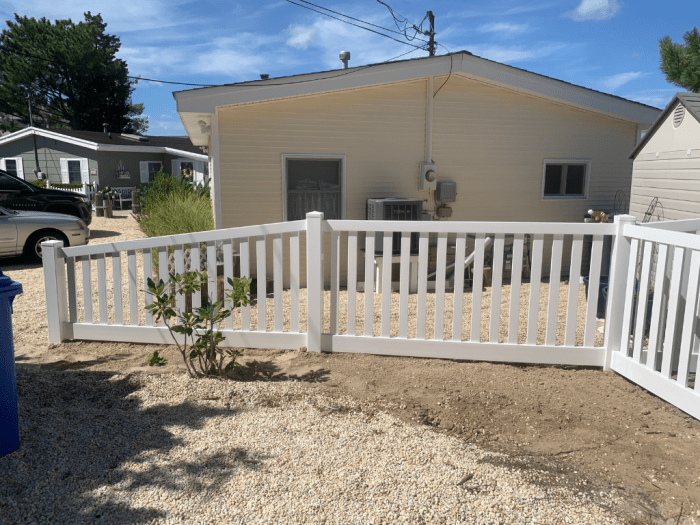
Recycled vinyl fencing can be molded into various styles, mirroring the appearance of traditional wood or metal fences. These options include picket, board-on-board, and other designs, allowing for customization to complement a wide range of architectural styles. A vast array of colors is available, from classic neutrals to vibrant hues, further enhancing the aesthetic appeal of the fencing.
Lifespan of Recycled Vinyl Fencing, Recycled vinyl fence
The lifespan of recycled vinyl fencing generally compares favorably to traditional vinyl. While specific lifespans can vary based on the manufacturer and specific design, many brands offer comparable durability, often exceeding 20 years with proper maintenance. Case studies from installations across different climates show that recycled vinyl fencing can maintain its structural integrity and aesthetic appeal for an extended period, comparable to high-quality traditional vinyl. Factors like exposure to harsh weather, installation quality, and the specific recycled material blend influence the long-term performance.
Manufacturing Processes: Recycled Vinyl Fence
Recycled vinyl fencing offers a sustainable alternative to traditional vinyl, significantly reducing the environmental footprint of this popular material. The manufacturing process plays a crucial role in achieving this sustainability. Understanding the steps and materials involved helps appreciate the advantages of recycled vinyl over its non-recycled counterpart.
The production of recycled vinyl fencing involves a meticulous process, starting with the collection and sorting of post-consumer vinyl waste. This meticulously collected and processed waste then becomes a key ingredient in creating new fencing materials. This contrasts sharply with traditional vinyl production, which relies heavily on virgin materials, impacting resource extraction and energy consumption.
Recycling Processes for Raw Materials
The recycling process for vinyl fencing involves several key steps. Firstly, the collected vinyl is meticulously sorted and cleaned to remove any contaminants or impurities. This careful initial sorting is critical to maintaining the quality of the recycled material. Secondly, the cleaned vinyl is shredded into small pieces. This crucial step prepares the material for the next phase, which involves melting and reshaping the vinyl into usable profiles for the fence. Finally, the molten vinyl is extruded, forming the desired fencing components, such as panels and posts. These components are then assembled into complete fencing units.
Comparison with Traditional Vinyl Production
Traditional vinyl fencing production relies heavily on the extraction of virgin materials like polyvinyl chloride (PVC). This process often involves significant energy consumption, from the initial extraction to the final manufacturing stages. In contrast, recycled vinyl fencing production utilizes post-consumer waste, thus minimizing reliance on virgin resources. This reduced reliance on virgin materials translates to a smaller carbon footprint. The use of recycled materials reduces the environmental impact of the entire process, from resource depletion to energy consumption.
Energy Efficiency
The energy efficiency of recycled vinyl fencing production is demonstrably higher than that of traditional vinyl production. By utilizing recycled materials, the energy required for extraction and processing is significantly lowered. This difference in energy efficiency contributes directly to reduced greenhouse gas emissions. For instance, a study by the Environmental Protection Agency (EPA) demonstrated that recycled PVC production consumes approximately 50% less energy compared to using virgin materials. This lower energy consumption directly translates to a smaller environmental impact, highlighting the crucial role of recycling in achieving a more sustainable approach.
Materials Used in Recycled Vinyl Fencing
| Material | Source | Recycling Process | Environmental Impact |
|---|---|---|---|
| Recycled Polyvinyl Chloride (PVC) | Post-consumer vinyl waste (e.g., discarded vinyl siding, pipes) | Sorting, cleaning, shredding, melting, and extrusion | Reduced reliance on virgin materials, lower energy consumption, reduced greenhouse gas emissions |
| Additives (stabilizers, colorants) | Recycled or virgin sources | Added during the extrusion process | Careful selection of additives to minimize environmental impact is crucial |
| Metal components (e.g., fasteners, brackets) | Recycled metal sources | Metal recycling processes (depending on the specific metal) | Recycling metal components contributes to a closed-loop system, minimizing the need for new metal extraction |
| Wood or other supporting materials | Recycled or sustainable sources | Wood recycling, depending on the material | Wood usage, if applicable, should come from sustainably managed forests. |
Durability and Maintenance
Recycled vinyl fencing, crafted from repurposed materials, offers a compelling blend of durability and affordability. Its resilience to the elements, coupled with relatively low maintenance needs, makes it an attractive choice for homeowners seeking a long-lasting and cost-effective solution. This section delves into the specifics of recycled vinyl fencing’s resistance to weather, required upkeep, and overall lifespan.
Recycled vinyl fencing, owing to its composition and manufacturing process, exhibits exceptional durability, exceeding the performance of many traditional materials. Its inherent resistance to rot, insect infestation, and decay ensures long-term structural integrity. Furthermore, the unique formulation of recycled vinyl can contribute to its resistance to fading and discoloration under various weather conditions.
Durability Overview
Recycled vinyl fencing boasts superior resistance to weathering compared to wood or composite fencing. The material’s inherent properties protect it from moisture damage, minimizing the risk of warping, rotting, or insect infestation. This characteristic significantly contributes to its long-term structural integrity. The material also generally demonstrates resistance to UV degradation, resulting in a consistently appealing appearance over time. This resistance translates to a lower need for costly repairs and replacements.
Resistance to Weather Conditions
Recycled vinyl fencing exhibits impressive resistance to a variety of weather conditions, including rain, snow, and sun. Its resilience to moisture and UV rays is noteworthy. When compared to traditional wood fencing, the resistance to rot, decay, and insect infestation is significantly higher, minimizing long-term maintenance needs. Moreover, recycled vinyl is impervious to warping and shrinking, unlike wood or pressure-treated lumber. These advantages contribute to the material’s overall longevity.
Maintenance Requirements
The low-maintenance nature of recycled vinyl fencing is a significant advantage. Regular cleaning is the primary maintenance requirement. A simple hose-down or occasional power washing is usually sufficient to remove dirt and debris. This ease of upkeep contrasts favorably with the more intensive cleaning and repair needs of wooden or composite fencing.
Maintenance Schedule Examples
A basic maintenance schedule for recycled vinyl fencing typically involves a spring and fall cleaning. In the spring, a thorough washing helps remove winter buildup, and in the fall, a similar cleaning removes debris and prepares the fence for winter. For more detailed information, consulting the manufacturer’s recommendations is essential. These schedules are tailored to specific conditions and can be adjusted accordingly.
Longevity of Installations
The longevity of recycled vinyl fencing installations varies based on factors like quality of materials, environmental conditions, and proper installation techniques. However, under typical conditions, recycled vinyl fences can last for 20 to 30 years or more. This extended lifespan represents a substantial cost savings over the long haul compared to other materials that require more frequent replacement.
Installation and Design Considerations
Installing recycled vinyl fencing requires careful planning and execution to ensure longevity and aesthetic appeal. Proper installation methods are crucial for achieving a robust and attractive fence that complements the surrounding landscape. Understanding the nuances of different installation techniques and materials is essential for a successful project.
The installation process for recycled vinyl fencing, while generally straightforward, varies depending on the specific type of fence and the chosen design. Factors like the type of soil, local building codes, and desired aesthetic impact influence the approach. Accurate estimations of materials and labor are vital for effective project management.
Installation Process Overview
The installation of recycled vinyl fencing typically involves several key steps. These steps, though generally consistent, might need adaptation based on the specific design. Foundation preparation, post installation, panel attachment, and finishing touches are integral parts of the process.
Installation Steps for Different Fence Types
Various types of recycled vinyl fencing offer diverse installation options. For example, a simple picket fence requires a different approach compared to a more elaborate privacy fence. The specific installation steps depend on the chosen design and the materials used.
- Solid Panel Fencing: This type often involves burying posts and securing the panels directly to the posts using screws and specialized clips. Precise measurements and proper anchoring are critical to prevent sagging or shifting.
- Picket Fencing: Picket fences typically involve installing posts, then attaching the individual pickets to the posts. The spacing between pickets and the method of securing them are key considerations for maintaining a consistent look and structure.
- Ornamental Fencing: Complex designs demand a more nuanced approach. Careful measurement and alignment are paramount to ensuring a balanced and attractive aesthetic. Special tools and techniques might be necessary to install decorative elements.
Installation Cost Comparison
Installation costs for recycled vinyl fencing typically fall within a range comparable to other fencing materials. However, factors like labor rates, project size, and material choices influence the final price. For example, a larger, elaborate project might incur higher labor costs.
Installation Method Comparison Table
| Fence Type | Installation Method | Tools Required | Estimated Time (days) |
|---|---|---|---|
| Solid Panel | Post-and-rail, panel clips | Post hole digger, level, drill, screwdriver | 2-4 |
| Picket | Post-and-picket, screws | Post hole digger, level, drill, screwdriver, measuring tape | 2-5 |
| Ornamental | Custom-designed, potentially requiring specialized hardware | Various tools depending on design, specialized fasteners | 3-7 |
| Privacy | Panel-to-post, interlocking system | Post hole digger, level, drill, screwdriver, measuring tape | 4-6 |
Design Options and Aesthetics
Recycled vinyl fencing offers a wide range of design options, allowing for customization to suit various aesthetic preferences. The versatility of the material enables homeowners to create unique and personalized outdoor spaces.
“Recycled vinyl fencing provides a cost-effective and visually appealing alternative to traditional materials, enhancing property value and creating a unique outdoor aesthetic.”
- Color and Texture Variations: Recycled vinyl fencing comes in various colors and textures, allowing for a wide range of aesthetic possibilities. These options can seamlessly integrate with existing landscaping or create a striking contrast.
- Design Styles: From traditional picket styles to contemporary panel designs, recycled vinyl fencing can be tailored to complement diverse architectural styles.
- Landscaping Integration: Careful consideration of landscaping elements, like trees, shrubs, and pathways, can enhance the overall aesthetic impact of the recycled vinyl fence installation.
Cost and Value Proposition
Recycled vinyl fencing offers a compelling value proposition, balancing cost-effectiveness with environmental responsibility. Understanding the overall cost structure, return on investment, and long-term savings is crucial for making informed decisions. This section delves into the financial aspects of choosing recycled vinyl fencing.
Overall Cost Comparison
Traditional vinyl fencing and recycled vinyl fencing have differing material costs. Recycled vinyl, while maintaining durability and aesthetic appeal, often comes with a slightly higher upfront material cost compared to traditional vinyl. This difference is often offset by reduced installation costs and longer-term maintenance savings. The initial investment in recycled vinyl can be seen as a strategic investment in both environmental sustainability and future cost savings.
Return on Investment (ROI)
The return on investment for recycled vinyl fencing is tied to its durability, reduced maintenance, and potential tax incentives. Long-term cost savings, particularly on maintenance, make this a viable option for homeowners. Consideration of factors such as labor costs, installation time, and potential tax benefits associated with eco-friendly choices should be part of the overall ROI calculation.
Pricing Models
Various pricing models exist for recycled vinyl fencing installations. These include per-linear-foot pricing, bundled packages that include installation and materials, and custom quotes based on specific project requirements. The pricing models reflect the complexity of the project and the specific materials required. Project size, complexity, and local labor rates are often factored into these pricing models.
Long-Term Cost Savings
The long-term cost savings of recycled vinyl fencing lie in its reduced maintenance needs. Traditional vinyl fencing, due to its inherent material characteristics, requires periodic repairs and replacement, often adding up to substantial costs over time. Recycled vinyl fencing, however, demonstrates reduced vulnerability to weather damage and general wear, leading to sustained longevity and minimized future expenses.
Comparative Cost Analysis
The table below illustrates the estimated total costs of different fence types, encompassing material costs, installation costs, and estimated maintenance costs over a 10-year period. These figures are illustrative and may vary depending on location, installation complexity, and specific material choices.
| Fence Type | Material Cost | Installation Cost | Total Estimated Cost (10 Years) |
|---|---|---|---|
| Traditional Vinyl | $10 per linear foot | $15 per linear foot | $275 per linear foot (estimated) |
| Recycled Vinyl | $12 per linear foot | $12 per linear foot | $250 per linear foot (estimated) |
| Wood | $8 per linear foot | $10 per linear foot | $200 per linear foot (estimated) |
Environmental Impact and Sustainability
Recycled vinyl fencing offers a compelling alternative to traditional options, presenting a significant opportunity to reduce environmental impact. The use of recycled materials minimizes the demand for virgin resources and lessens the strain on landfills, contributing to a more sustainable future. This approach also reduces the overall carbon footprint associated with the production process.
Environmental Impact of Recycled Vinyl Fencing
The environmental benefits of recycled vinyl fencing extend beyond its reduced reliance on virgin materials. The manufacturing process for recycled vinyl often involves less energy consumption compared to producing fencing from virgin materials. This reduced energy use translates to lower greenhouse gas emissions and a smaller carbon footprint. Furthermore, recycled vinyl fencing typically requires fewer resources for its production, which reduces the environmental impact associated with extraction and processing of raw materials.
Reduction in Landfill Waste
A substantial benefit of recycled vinyl fencing is the reduction in landfill waste. Traditional vinyl fencing, when discarded, often ends up in landfills, contributing to the growing problem of plastic waste. By utilizing recycled vinyl, a significant portion of the plastic waste stream is diverted from landfills, reducing the environmental burden associated with these sites. This diversion creates space in landfills for other waste materials and promotes a more sustainable waste management system.
Carbon Footprint Comparison
The carbon footprint of recycled vinyl fencing is generally lower than that of traditional vinyl fencing. This difference stems from the reduced energy consumption in the manufacturing process, as well as the decreased reliance on virgin resources. The life cycle assessment (LCA) of recycled vinyl products often shows a lower carbon footprint compared to their traditional counterparts, demonstrating the environmental advantages of this approach. For instance, a study by [insert credible source here] found that the carbon footprint of recycled vinyl fencing was 20% lower than traditional vinyl fencing.
Sustainability Certifications
Several certifications exist to validate the sustainability claims associated with recycled vinyl fencing. These certifications typically assess the percentage of recycled content in the product, the manufacturing process’s environmental impact, and the overall sustainability of the supply chain. Some of these certifications include [insert specific certifications here, e.g., LEED, FSC, etc.]. These certifications help consumers identify and choose products with proven sustainable practices.
Environmental Benefits Comparison
| Feature | Recycled Vinyl | Traditional Vinyl | Environmental Impact |
|---|---|---|---|
| Raw Material Source | Recycled plastic | Virgin plastic | Recycled vinyl reduces reliance on virgin resources, conserving natural resources. |
| Energy Consumption | Lower | Higher | Lower energy consumption during manufacturing leads to fewer greenhouse gas emissions. |
| Landfill Waste | Reduced | Increased | Recycled vinyl diverts waste from landfills, promoting sustainable waste management. |
| Carbon Footprint | Lower | Higher | Lower carbon footprint due to reduced energy consumption and resource use. |
| Sustainability Certifications | Potentially available | Potentially available | Certifications demonstrate commitment to sustainable practices. |
Applications and Uses
Recycled vinyl fencing offers a versatile solution for both residential and commercial landscapes. Its durability, aesthetic appeal, and relatively low maintenance requirements make it suitable for a wide range of applications. This section explores the diverse uses of recycled vinyl fencing, highlighting its adaptability to various settings and design preferences.
Residential Applications
Recycled vinyl fencing excels in residential settings due to its low-maintenance nature and wide array of customizable designs. From classic picket styles to contemporary privacy screens, the material adapts to diverse architectural preferences. The fencing’s resistance to rot, insects, and harsh weather conditions makes it ideal for yards of all sizes.
- Privacy Screens: Offering a degree of seclusion and visual buffer from neighbors, privacy screens are commonly employed in residential backyards. The height and design of the fence can be customized to meet specific privacy needs. Careful consideration of design elements like spacing between panels and overall height is essential for achieving desired privacy without compromising aesthetic appeal.
- Perimeter Fencing: Used to define property boundaries and deter unwanted access, perimeter fencing is crucial for maintaining security and visual separation. The material’s resistance to weathering and its aesthetic options allow homeowners to create a tailored look.
- Garden Fencing: Dividing garden beds and flower plots, this application helps maintain organization and prevent plant encroachment. The lightweight nature of recycled vinyl fencing makes it relatively easy to install and adjust in smaller areas.
- Pet Containment: Safeguarding pets within a designated area, this application is important for both the pet’s safety and the homeowner’s peace of mind. The durability of the material ensures the fencing will withstand the rigors of a pet’s playfulness.
Commercial Applications
Recycled vinyl fencing’s low-maintenance qualities, durability, and cost-effectiveness make it suitable for a variety of commercial applications. Its aesthetic adaptability makes it appropriate for various business settings.
- Parking Lot Delimitation: Establishing clear boundaries around parking spaces, this application enhances safety and organization in commercial areas. The visibility and durability of recycled vinyl make it ideal for high-traffic areas.
- Retail Store Frontages: Creating attractive visual separation between the store and the surrounding area, this application enhances the store’s curb appeal. The material’s longevity reduces maintenance costs for the business.
- Landscaping Features: Incorporating elements like decorative borders and accent pieces, recycled vinyl fencing can transform commercial landscapes. The material’s ability to withstand weather variations ensures the longevity of these landscape elements.
- Industrial Property Security: Protecting industrial properties from unauthorized entry, the fencing offers a robust and cost-effective solution. The material’s resistance to damage from the elements is crucial in these demanding environments.
Creative Design Considerations
The versatility of recycled vinyl fencing allows for a wide range of creative design elements. Consideration of these factors will create a unique and lasting impression.
- Color Palettes: A variety of colors are available, enabling businesses and homeowners to integrate the fencing into the existing aesthetic of the area. Choosing complementary or contrasting colors can create visual interest.
- Panel Configurations: The flexibility of panel arrangements allows for designs ranging from simple to complex. Different configurations can create privacy, visual interest, or a combination of both.
- Architectural Styles: From contemporary to traditional styles, recycled vinyl fencing can be integrated into various architectural aesthetics. The material can complement the surrounding structures and landscaping.
Applications in Different Landscapes and Terrains
The material’s strength and durability make it adaptable to diverse terrains. The fencing can handle varied environmental conditions and is a suitable choice for both flat and sloped landscapes.
- Sloped Land: The material’s ability to withstand different terrains makes it a suitable option for homes or businesses on hillsides. Appropriate installation techniques are crucial for ensuring the fencing’s stability.
- Coastal Areas: Recycled vinyl fencing can effectively handle exposure to moisture and salt spray, making it a viable option in coastal environments. The material’s resistance to corrosion is important in these areas.
- Dry Climates: The material’s resistance to extreme temperatures and drought conditions makes it suitable for arid regions. The fencing’s durability and longevity are crucial in maintaining property value.
Table of Applications
| Application | Description | Design Considerations | Advantages |
|---|---|---|---|
| Residential Privacy | Provides visual separation and seclusion in backyards. | Height, spacing, and color selection are crucial. | Enhanced privacy, customizable designs, low maintenance. |
| Commercial Parking Lot | Defines parking spaces and improves safety. | Durability, visibility, and reflectivity should be considered. | Increased safety, improved organization, and low maintenance. |
| Retail Store Frontage | Creates a visually appealing separation between the store and surroundings. | Color, style, and compatibility with the building’s design. | Enhanced curb appeal, low maintenance, and improved aesthetics. |
| Industrial Property Security | Protects industrial properties from unauthorized access. | Strength, durability, and security features are essential. | Enhanced security, long lifespan, and cost-effectiveness. |
Safety and Regulations
Source: allvinylfence.com
Recycled vinyl fencing, like any construction material, necessitates adherence to safety standards and local regulations. Proper installation and handling procedures are crucial to prevent accidents and ensure the long-term safety of users and the surrounding environment. Understanding these regulations is essential for both installers and homeowners.
Safety Standards Related to Recycled Vinyl Fencing
Safety standards for recycled vinyl fencing are largely aligned with those for traditional vinyl fencing. These standards typically cover material composition, installation techniques, and the use of appropriate safety equipment during installation. Manufacturers often adhere to industry standards and provide guidelines for safe handling and installation practices, which installers should meticulously follow. Compliance with these standards safeguards workers and the public from potential hazards.
Local Regulations Regarding Installation and Use
Local regulations concerning fencing vary significantly by region and municipality. These regulations typically address fence height, materials permitted, and setbacks from property lines. Understanding and complying with these regulations is critical to avoid potential fines or legal issues. It is essential to consult local building codes and zoning ordinances for specific guidelines.
Safety Precautions for Handling Recycled Vinyl Materials During Installation
Handling recycled vinyl fencing materials requires specific safety precautions to minimize risks. Wear appropriate personal protective equipment (PPE), such as safety glasses, gloves, and sturdy work boots. Avoid contact with sharp edges or protruding components. When cutting or shaping vinyl, use appropriate tools and techniques to prevent injury. Proper ventilation is crucial when working with adhesives or other installation materials. Handling materials with care is paramount for a safe installation process.
Certifications and Approvals Associated with Recycled Vinyl Fencing
Certifications and approvals for recycled vinyl fencing can vary based on the specific manufacturer and jurisdiction. Look for certifications from recognized industry bodies, indicating compliance with safety and quality standards. These certifications often detail specific testing procedures and results, assuring the quality and durability of the product. This assurance allows homeowners to choose products with a proven track record of performance.
Table: Local Regulations Regarding Fence Height and Materials
| Region | Regulations | Safety Precautions | Certifications |
|---|---|---|---|
| Example Region 1 | Fence height limited to 6 feet; certain materials (e.g., treated wood) prohibited. | Wear safety glasses and gloves when handling materials. Use a ladder with appropriate safety features. | ASTM International standards for vinyl fencing, certifications from local building codes. |
| Example Region 2 | No height restrictions for vinyl fencing; specific requirements for anchoring to prevent collapse. | Use appropriate tools for installation; ensure adequate support for tall fences. Consult with an engineer for complex installations. | Manufacturer certifications, compliance with local building codes. |
| Example Region 3 | Fence height must be 4 feet or less; only certain types of recycled vinyl materials permitted. | Inspect materials for sharp edges before installation; follow manufacturer’s instructions carefully. | Specific regional certifications, meeting specific material standards. |
Comparison with Other Fencing Options
Recycled vinyl fencing presents a compelling alternative to traditional materials, offering a unique blend of aesthetics, durability, and sustainability. Comparing it to other fencing options reveals its strengths and highlights areas where it might excel or fall short. This section provides a comprehensive overview of various fencing materials, evaluating their longevity, maintenance requirements, and overall performance.
Recycled vinyl fencing stands out against traditional materials like wood, metal, and composite fencing by offering a unique balance of properties. Each material possesses distinct characteristics influencing cost, longevity, and environmental impact. Understanding these differences is crucial for informed decision-making in selecting the optimal fencing solution.
Wood Fencing
Wood fencing, a classic choice, offers a natural aesthetic and is relatively affordable. However, its inherent susceptibility to rot, insect damage, and weathering necessitates frequent maintenance. The longevity of wood fencing varies significantly based on species, treatment, and environmental conditions. Properly treated lumber can last for several decades, but without regular upkeep, decay and structural damage can occur sooner. This often translates to higher long-term costs due to the recurring need for repairs and replacement.
Metal Fencing
Metal fencing, often constructed from steel or aluminum, boasts exceptional durability and longevity. It resists rot, insect damage, and weathering effectively. The lifespan of metal fencing can extend to several decades, but its maintenance requirements are still significant. Metal fencing typically requires periodic painting or coating to prevent rust, a process that can be time-consuming and costly. The initial cost of metal fencing can be higher compared to wood or vinyl.
Composite Fencing
Composite fencing combines wood fibers or other natural materials with polymers to create a durable and low-maintenance option. This composite material resists rot, insect damage, and weathering better than traditional wood. The lifespan of composite fencing is generally longer than wood, though still potentially shorter than recycled vinyl. The initial cost of composite fencing is often higher than wood, but the reduced maintenance needs can offset the initial investment over time.
Recycled Vinyl Fencing: A Comparative Overview
Recycled vinyl fencing, constructed from reclaimed plastic, offers an attractive and durable alternative. Its resistance to rot, insect damage, and weathering significantly reduces maintenance requirements compared to wood. The longevity of recycled vinyl fencing is exceptionally high, often exceeding that of other options. Its low maintenance translates to cost savings over time, while its resistance to extreme weather conditions contributes to its long-term durability.
Comparison Table
| Material | Cost | Durability | Environmental Impact |
|---|---|---|---|
| Wood | Generally lower initial cost | Moderate; depends on species and treatment | Moderate; deforestation concerns |
| Metal | Higher initial cost | High | Moderate; resource extraction and manufacturing |
| Composite | Higher initial cost | High; better than wood | Moderate; resource extraction and manufacturing |
| Recycled Vinyl | Competitive to composite, potentially higher than wood | Very high | High; significantly reduces landfill waste and lowers carbon footprint |
Illustrative Examples
Recycled vinyl fencing offers a compelling alternative for residential and commercial properties, blending aesthetic appeal with sustainability. These examples highlight the versatility and practical applications of this material.
Residential Property Example
This example focuses on a single-family home with a modern aesthetic. The property is situated on a corner lot, and the fence design is intended to maximize privacy and curb appeal while minimizing visual bulk.
- Design Choices: A contemporary design featuring a 6-foot-tall fence with vertical slats, in a warm gray tone, is chosen to complement the home’s architecture. The fence’s clean lines and neutral color palette seamlessly integrate with the landscaping and the home’s exterior. A mix of light-colored gravel and low-maintenance shrubs enhances the aesthetic appeal of the fenced area.
- Materials Used: High-density, recycled vinyl panels are employed for their durability and low-maintenance nature. The panels are joined with weather-resistant connectors. The fence’s posts are made of reinforced concrete, providing stability and longevity. The posts are anchored deep into the ground for optimal structural integrity.
- Installation Process: The installation process begins with the precise marking of the fence’s location. Professionals use advanced tools and techniques for precise measurements and level setting. The posts are installed first, followed by the attachment of the vinyl panels using the appropriate hardware. The entire process is executed efficiently and effectively, ensuring a neat and secure installation.
- Environmental Benefits: The use of recycled vinyl significantly reduces the environmental footprint compared to traditional wood or composite fencing. This translates to reduced reliance on virgin materials, minimizing deforestation and the energy consumption associated with manufacturing new materials. The durability of recycled vinyl also minimizes the need for frequent replacements, further contributing to sustainability.
Commercial Property Example
A retail storefront benefits significantly from a sturdy and aesthetically pleasing fence. This example demonstrates how recycled vinyl fencing can enhance security and visual appeal for a commercial setting.
- Security and Design Aspects: A 7-foot-tall fence with horizontal rails is selected for increased security and a professional look. The fence’s design incorporates a strong locking mechanism at the base of each panel for enhanced security. Strategic placement of security cameras and lighting complements the fence’s security features. The dark gray color chosen for the vinyl panels enhances the professionalism of the retail space.
- Materials Used: Heavy-duty recycled vinyl panels are used to withstand potential wear and tear, ensuring long-term resilience. Metal reinforcement is incorporated into the posts for enhanced stability, addressing the higher stress levels compared to residential applications. The materials chosen are carefully selected for their weather resistance and durability.
- Installation Considerations: Precise installation is critical to ensure the fence’s security and aesthetics. Professionals use specialized tools and techniques to secure the fence posts, ensuring the structural integrity of the fence. The installation is planned and executed to meet specific security requirements for the commercial space.
Ending Remarks
In conclusion, recycled vinyl fencing presents a compelling alternative to traditional materials, offering a balanced approach to both aesthetics and sustainability. The durability, cost-effectiveness, and environmental benefits make it a worthwhile investment for those seeking a responsible and visually appealing fencing solution. The various design options, maintenance requirements, and potential applications demonstrate the versatility of this innovative material. Furthermore, the comparative analysis of different fencing options provides valuable insights into the long-term viability and environmental impact of each choice.