Wood Picket Fence Cost A Comprehensive Guide
Wood picket fence cost is a crucial factor to consider when embarking on a fence project. Understanding the various influencing elements is key to avoiding surprises and staying within budget. This guide dives deep into the factors impacting wood picket fence costs, from material selection to installation labor, customization options, and comparisons with alternative fencing materials.
This comprehensive overview examines the significant variables that determine the final price tag. Different types of wood, fence dimensions, design complexity, and even geographical location will affect the overall cost. We’ll explore the nuances of each element, providing practical insights for informed decision-making.
Factors Affecting Wood Picket Fence Costs
The cost of a wood picket fence is a multifaceted consideration, influenced by a variety of factors. These range from the type of wood used to the complexity of the design, and the overall dimensions of the fence. Understanding these factors is essential for homeowners seeking to estimate the total cost accurately.
The primary determinant of a picket fence’s cost is the materials used in its construction. Beyond the wood itself, the labor required for installation also contributes significantly to the overall expense. This is further impacted by the size and design of the fence, and the availability of local labor.
Wood Types and Their Cost Variations
Various types of wood offer differing qualities and price points. Pressure-treated lumber, for instance, is a popular choice for its durability and resistance to rot and insect damage. Cedar and redwood, known for their natural resistance to decay, also command a higher price point compared to pressure-treated wood. The cost disparity often reflects the inherent properties of each wood type. For instance, the natural oils in cedar and redwood contribute to their longevity and, consequently, their higher price tag.
Impact of Fence Dimensions
The dimensions of the fence significantly impact the total cost. Longer fences naturally require more materials, increasing the cost proportionally. Similarly, taller fences typically necessitate more pickets and potentially more complex support structures, which can drive up the overall cost. The number of pickets also plays a crucial role, as more pickets mean a higher material and labor cost. A fence with more intricate details, like multiple gates or curved sections, will also increase the labor time and cost.
Design Complexity and Its Effect on Price
The design complexity of a fence significantly influences the overall cost. Simple, straight-line fences with uniform pickets are generally more affordable than those with curved sections, intricate designs, or ornate features. The design’s complexity will directly impact the labor time required. For instance, a curved fence design will demand more skilled labor, specialized tools, and more time, leading to a higher overall cost.
Examples of Fence Styles and Cost Ranges
A simple, straight picket fence made of pressure-treated lumber can cost anywhere from $5 to $15 per linear foot. A more elaborate fence with ornate features and cedar pickets might cost between $15 and $30 per linear foot. A redwood fence with curved sections and decorative gates could range from $25 to $50 per linear foot.
Cost Comparison of Different Wood Types
This table provides an estimated comparison of costs for different wood types for a standard 6-foot-high, 20-foot-long fence. These costs are approximate and may vary based on regional pricing and material availability.
| Wood Type | Cost per linear foot | Labor Cost | Total Estimated Cost |
|---|---|---|---|
| Pressure-Treated | $8 | $150 | $410 |
| Cedar | $12 | $180 | $540 |
| Redwood | $20 | $250 | $850 |
Labor Costs and Installation
Installing a wood picket fence involves more than just the materials; labor costs play a significant role in the overall project budget. Understanding these costs, along with factors influencing them, is crucial for accurate budgeting and realistic expectations. The complexity of the design, geographic location, and the choice of contractor all contribute to the final price.
Typical Labor Costs
Labor costs for installing a wood picket fence vary considerably depending on factors like the fence’s dimensions, the complexity of the design, and the required preparation work. Simple, straightforward installations will generally have lower labor costs than elaborate designs with multiple gates, arches, or intricate features. Furthermore, the hourly rate for labor can vary significantly based on the region.
Labor Costs Based on Installation Complexity
Simple installations, such as a straight-line fence with standard pickets, usually involve fewer labor hours compared to more complex designs. Complex designs, incorporating features like curved sections, multiple gates, or decorative elements, require significantly more time and specialized skills, thus increasing labor costs. The difference can be substantial, with complex installations potentially doubling or tripling the labor hours needed for a basic fence.
Geographic Location’s Impact on Labor Costs
Geographic location significantly influences labor costs. Areas with a higher cost of living, such as major metropolitan areas or coastal regions, tend to have higher hourly labor rates for construction workers. Conversely, rural areas often have lower labor costs. This difference in labor costs should be factored into the overall project budget.
Average Labor Costs for a 20-Foot Fence (US Regions)
| Region | Labor Cost per Hour | Estimated Labor Hours | Total Estimated Labor Cost |
|---|---|---|---|
| Northeast (e.g., New York, Boston) | $50-$75 | 8-12 | $400-$900 |
| Midwest (e.g., Chicago, Minneapolis) | $40-$60 | 8-12 | $320-$720 |
| South (e.g., Atlanta, Houston) | $35-$55 | 8-12 | $280-$660 |
| West (e.g., Los Angeles, San Francisco) | $60-$85 | 8-12 | $480-$1020 |
Note: These are estimated costs and may vary based on specific contractor rates, material requirements, and local regulations.
Importance of Licensed and Insured Contractors
Hiring licensed and insured contractors is crucial for several reasons. First, licensing ensures that the contractor adheres to local building codes and regulations, which helps prevent potential legal issues. Secondly, insurance protects both the homeowner and the contractor in case of accidents or damages during the installation process. A licensed and insured contractor is better equipped to handle potential complications or disputes, offering greater peace of mind. Moreover, they often possess the necessary expertise to manage the project effectively, from initial planning to final completion. Using unlicensed or uninsured contractors significantly increases the risk of costly problems.
Customization and Options
Beyond the basic design, wood picket fences offer a wide range of customization options that significantly impact the final cost. These enhancements can transform a simple fence into a unique and personalized feature of your property. Careful consideration of these options allows homeowners to tailor their fence to their specific needs and aesthetic preferences.
Gate Additions
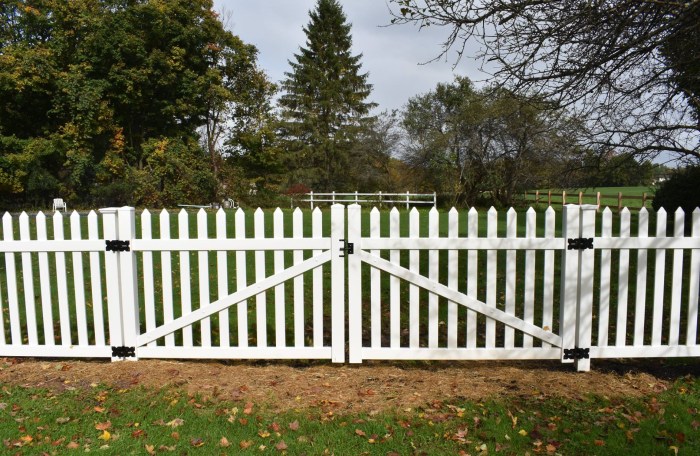
Gate additions are a common customization, enhancing functionality and adding visual appeal. Different gate styles and materials contribute to varying price points. A simple gate might cost less than a decorative wrought iron gate, for example.
Decorative Features
Decorative features, such as arched tops, decorative pickets, or finials, can elevate the aesthetic appeal of a wood picket fence. These additions, though visually appealing, typically increase the cost. For instance, a fence with intricate carvings or custom-designed pickets will likely cost more than a standard fence.
Paint Colors
Paint color selection is a crucial customization decision. Different paint finishes, including stains and various colors, influence the overall cost. Premium paint types and specialized finishes often command a higher price.
Cost Impact of Gate Styles
The choice of gate style directly impacts the cost. A simple wooden gate might be less expensive than a more elaborate metal gate with decorative elements. Materials like wrought iron or aluminum, known for their durability and aesthetic appeal, typically result in a higher price tag. Similarly, a gate with custom-designed features will command a higher price compared to a standard gate.
Cost Impact of Paint Finishes
Different paint finishes have varying price points. A basic stain might be more affordable than a high-quality, specialized paint with a particular finish. Factors like the type of paint (e.g., exterior grade, water-based, oil-based), the number of coats needed, and the complexity of the design or color scheme all contribute to the final cost.
Estimated Cost Increases for a Decorative Gate
| Customization | Cost increase per item | Estimated total cost | Additional Details |
|---|---|---|---|
| Standard Wood Picket Fence with a Simple Wooden Gate | $0 | $3,000 | Basic fence, standard gate. |
| Standard Wood Picket Fence with a Decorative Wrought Iron Gate | $500 – $1,500 | $3,500 – $4,500 | Depending on size and complexity of wrought iron gate. |
| Standard Wood Picket Fence with a Custom-Designed Wrought Iron Gate | $1,500 – $3,000+ | $4,500 – $6,000+ | Highly customized gate, potentially requiring specialized fabrication. |
Comparison with Alternative Fencing Materials: Wood Picket Fence Cost
Choosing the right fencing material depends significantly on budget, desired aesthetics, and long-term maintenance needs. This section delves into the comparative costs and lifespan of wood picket fences alongside other popular options, such as vinyl, metal, and composite fencing. Understanding the nuances of each material will aid in making an informed decision.
Cost Comparison of Different Fencing Materials
Different fencing materials offer varying price points, influencing the overall project cost. The initial cost is not the sole determinant; long-term maintenance expenses must also be considered. A comprehensive comparison assesses the cost per linear foot, labor costs, and the total project expenditure for various materials.
| Fencing Material | Estimated Cost per linear foot | Estimated Labor Cost | Estimated Total Cost |
|---|---|---|---|
| Wood Picket Fence | $10 – $30 | $15 – $30 | $25 – $60 |
| Vinyl Fence | $20 – $40 | $18 – $35 | $38 – $75 |
| Metal Fence (Aluminum or Steel) | $25 – $50 | $20 – $40 | $45 – $90 |
| Composite Fence | $30 – $60 | $25 – $45 | $55 – $105 |
Note: These are estimated costs and can vary based on location, material quality, and labor rates.
Pros and Cons of Different Fencing Materials
Each fencing material possesses distinct advantages and disadvantages. Careful consideration of these factors is crucial to selecting the ideal material.
- Wood Picket Fences: Wood offers a classic, natural aesthetic. It’s relatively affordable, but requires regular maintenance, including staining and sealing to prevent rot and decay. Over time, wood can warp or degrade if not properly maintained.
- Vinyl Fences: Vinyl is low-maintenance and resistant to rot and insect damage. It’s available in a wide array of colors and styles. However, vinyl can be more expensive upfront compared to wood, and it may not withstand high winds as well as other materials.
- Metal Fences: Metal fences, particularly aluminum, offer excellent durability and longevity. They resist rust and decay, minimizing long-term maintenance. The upfront cost can be higher than wood or vinyl, and they might not offer the same aesthetic flexibility.
- Composite Fences: Composite fencing combines the best aspects of wood and vinyl, providing a durable and low-maintenance option. It mimics the look of wood with enhanced resistance to the elements. However, composite fences typically have a higher initial cost compared to wood or vinyl.
Long-Term Maintenance Costs
Understanding the long-term upkeep costs of each material is crucial for budgeting.
- Wood: Wood fences demand regular staining or sealing to prevent rot and insect damage. Replacement of damaged or decayed sections is a recurring expense over time.
- Vinyl: Vinyl requires minimal maintenance, reducing ongoing costs. However, the material might need occasional cleaning and repainting to preserve its aesthetic appeal. Some vinyl types might be more prone to cracking under extreme conditions.
- Metal: Metal fences require minimal maintenance, with occasional cleaning to remove dirt and debris. Rust prevention might be necessary, especially for steel, but the overall maintenance cost is low compared to wood.
- Composite: Composite fences have low maintenance needs, minimizing the need for frequent repairs and replacements. Cleaning to maintain the aesthetic appearance is generally sufficient.
Estimating Costs and Budgeting
Accurately estimating the cost of a wood picket fence project is crucial for a successful and stress-free build. A detailed budget helps in managing expectations and prevents unexpected financial surprises. Planning ahead allows for proactive adjustments and informed decision-making throughout the project.
A comprehensive budget considers not only the materials but also labor, permits, and potential unforeseen expenses. Proper planning and budgeting ensure the project aligns with your financial goals and avoids exceeding the allocated funds.
Steps in Estimating Wood Picket Fence Costs
Careful estimation involves a systematic approach to accurately determine the total cost. This involves meticulously evaluating the project scope, materials, and labor requirements. A well-defined estimation procedure allows for a realistic projection of the final cost.
- Site Measurement and Design: Precise measurements of the fence area are paramount. A detailed design plan, including the number of pickets, fence height, and gate specifications, is essential. These measurements and design details serve as the foundation for all subsequent calculations. Accurate measurements avoid costly mistakes later in the process.
- Material Cost Assessment: Determine the specific types of wood, pickets, and any necessary hardware. Research prices from local suppliers to obtain accurate material cost estimates. Consider factors such as wood quality, quantity, and any necessary treatments like staining or sealing.
- Labor Cost Estimation: Seek quotes from local contractors or laborers for the installation work. Factor in the complexity of the installation, the required labor hours, and any special circumstances, such as difficult terrain or access issues. Consider the availability of local professionals and any potential variations in rates based on experience or specific skills.
- Permitting and Inspection Costs: Local regulations often require permits for fence construction. Research the permitting process and associated fees in your area. Account for the cost of inspections and any potential delays due to the permitting process.
- Contingency Planning: Include a contingency fund in the budget to account for unforeseen expenses, such as unexpected material shortages, weather delays, or changes in design during the construction process. Consider a 10-15% buffer for potential cost overruns.
Creating a Detailed Budget
A well-structured budget provides a clear overview of all anticipated costs. A meticulously prepared budget facilitates tracking progress and ensures accountability.
- Categorize Expenses: Organize costs into logical categories, such as materials, labor, permits, and contingencies. This organized structure helps in understanding the breakdown of the overall cost.
- Estimate Costs for Each Category: Provide a detailed estimate for each category. Use the data gathered in the previous steps to establish accurate estimations. Be thorough in quantifying the required materials and labor hours for each category.
- Factor in Potential Cost Overruns: Allocate a specific portion of the budget for potential cost overruns. This buffer will accommodate unexpected circumstances during the project. Consider adding a contingency of 10-15% to the overall budget to cover potential variations.
- Review and Revise: Thoroughly review the budget and make any necessary adjustments. This review ensures that all aspects are considered and that the budget remains realistic. The review process allows for necessary revisions based on current market conditions and any new information.
Sample Budget Template, Wood picket fence cost
The following table illustrates a sample budget template for a wood picket fence project.
| Category | Estimated Cost | Notes | Total Estimated Cost |
|---|---|---|---|
| Materials (wood, pickets, posts, etc.) | $1,500 | Includes all necessary materials. | $1,500 |
| Labor (installation) | $2,000 | Based on 20 hours of labor at $100/hour. | $2,000 |
| Permits and Inspections | $100 | Includes permit fees and inspection costs. | $100 |
| Contingency | $300 | Allowance for unforeseen circumstances. | $300 |
| Total | $3,900 |
Ultimate Conclusion
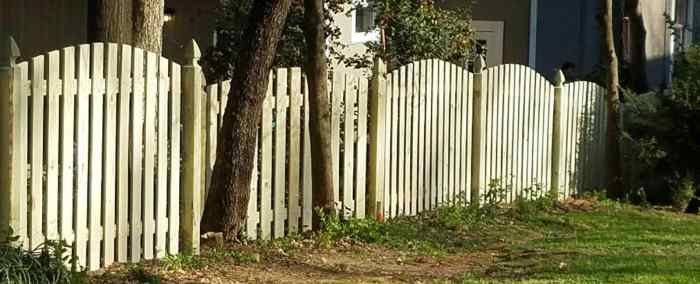
Source: samedayfencecompany.com
In conclusion, calculating the wood picket fence cost involves a careful assessment of various factors, including material type, dimensions, design, labor costs, and customization options. By understanding these elements and comparing them with alternative materials, homeowners can make well-informed decisions to achieve their desired fence while staying within their budget. This guide offers a complete picture, allowing for a smooth and cost-effective project from start to finish.